Knee Replacement Recovery: What to Expect and How to Heal Faster
When you undergo a knee replacement, a surgical procedure where damaged knee joint parts are replaced with artificial components. Also known as total knee arthroplasty, it’s one of the most common orthopedic surgeries in India—and for good reason. It can turn painful, stiff knees into ones that let you walk, climb stairs, and even play with your grandkids again. But the surgery is only half the battle. The real work begins the moment you wake up in recovery.
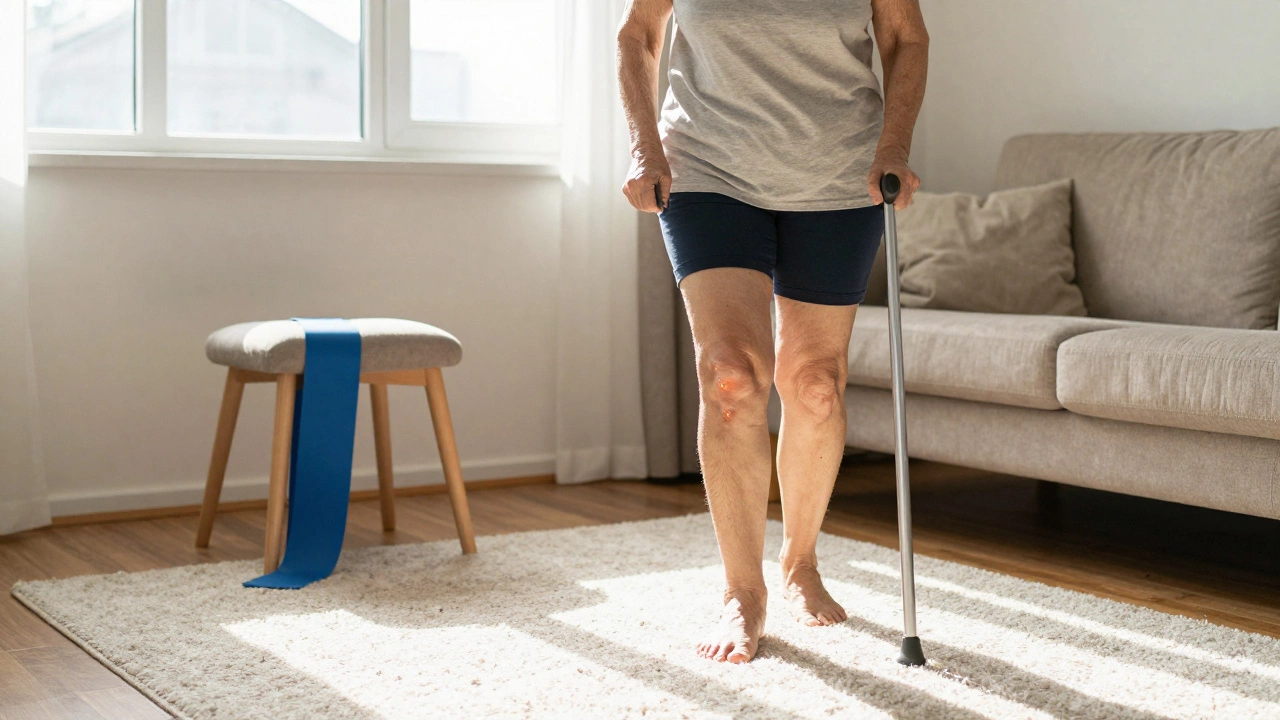
Knee replacement recovery, the process of regaining mobility, strength, and function after knee surgery takes time—usually weeks to months—and it’s different for everyone. Some people walk without a cane in 3 weeks. Others need 6 months to feel normal. What matters isn’t speed, it’s consistency. Physical therapy isn’t optional—it’s the engine that drives your recovery. Skipping sessions or not doing your home exercises? That’s how stiffness and weakness come back.
Not everyone is a good candidate. If you’re severely overweight, have an active infection, or struggle with mental health like depression, your doctor might delay or even advise against surgery. Knee replacement risks, including blood clots, nerve damage, implant loosening, and infection are real. That’s why knowing your limits before surgery helps set realistic expectations afterward. And yes, some people still feel pain after the procedure—not because the surgery failed, but because nerves take longer to calm down or scar tissue forms.
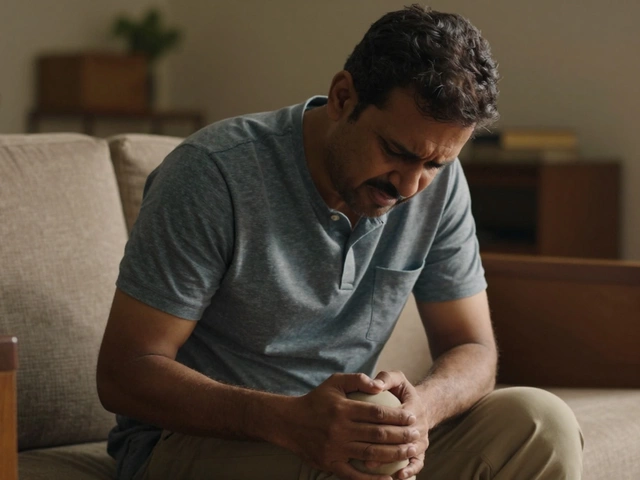
Recovery isn’t just physical. It’s emotional too. You’ll feel frustrated when you can’t bend your knee fully. You’ll get angry when you need help with simple tasks. That’s normal. What’s not normal is pretending it’s easy. The best recoveries happen when people plan ahead—stock up on groceries, install grab bars in the bathroom, and arrange for help with kids or pets. You’re not lazy for needing help. You’re smart.
And don’t believe everything you read online. Some blogs promise miracle cures with turmeric or ice baths. The truth? Movement, rest, and following your therapist’s plan are what actually work. You don’t need fancy gadgets. You need discipline. You need to show up—even on days you don’t feel like it.
What you’ll find below are real stories and facts from people who’ve been through this. We’ve pulled together posts that cover the hidden risks doctors don’t always mention, who should avoid surgery altogether, and what actually speeds up healing—no fluff, no hype. Whether you’re considering the procedure, just had it, or are helping someone who did, this collection gives you what you need to move forward—safely, confidently, and without guesswork.