Unhealthy Food: What It Is, Why It Hurts, and What to Eat Instead
When we talk about unhealthy food, foods high in added sugars, refined carbs, and artificial ingredients that harm long-term health. Also known as junk food, it’s not just about taste—it’s about what happens inside your body after you eat it. This isn’t about occasional treats. It’s about the daily meals that quietly raise your blood sugar, clog your arteries, and confuse your hunger signals.
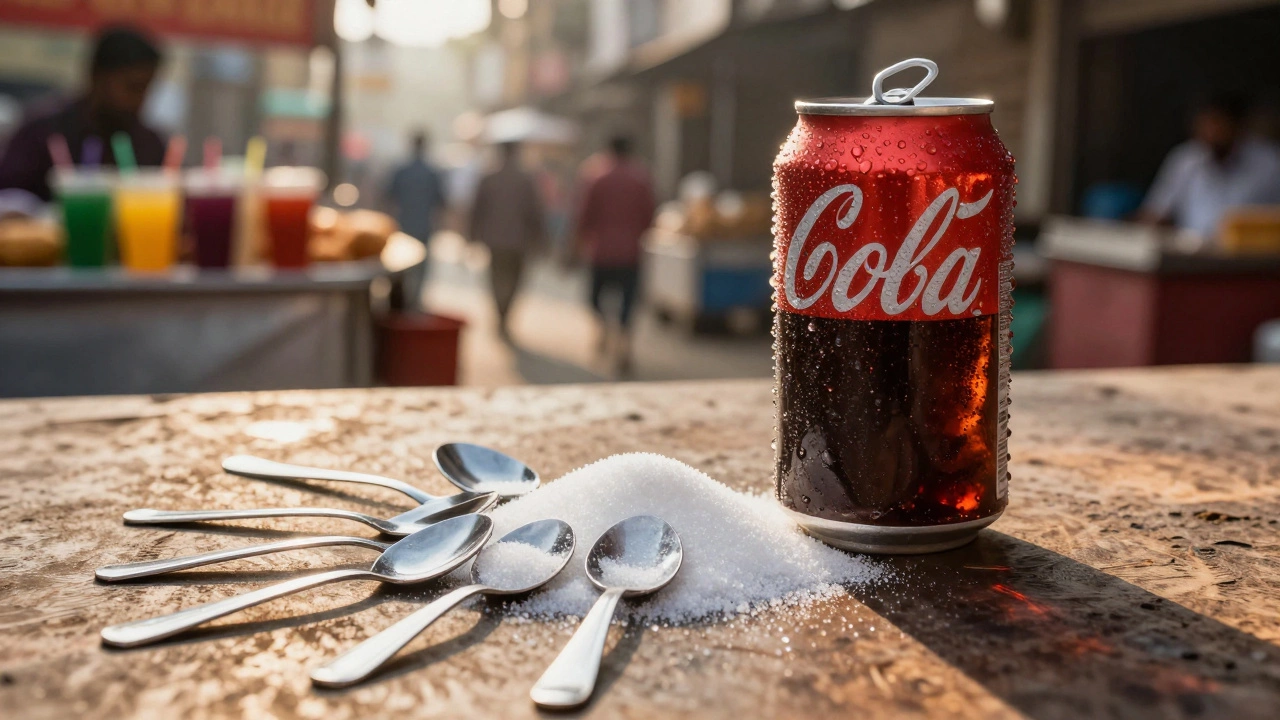
Most processed food, items packaged with long ingredient lists full of unpronounceable chemicals is designed to keep you coming back. Food companies know exactly how much salt, sugar, and trans fats, artificial fats created to make food shelf-stable but deadly for your heart it takes to trigger cravings. A single bag of chips or a bottle of soda can contain more sugar than the WHO recommends for an entire day. And it’s not just weight gain. These foods are linked to inflammation, brain fog, insulin resistance, and even mood crashes.
What makes unhealthy food so dangerous isn’t just what’s in it—it’s what’s missing. Nutrients. Fiber. Real, whole ingredients. When you swap out a home-cooked meal for a microwaveable option, you’re trading energy for exhaustion. You’re trading stable blood sugar for spikes and crashes. You’re trading long-term health for short-term convenience.
And here’s the twist: you don’t need to go cold turkey. The real shift happens when you start recognizing the tricks. That "low-fat" yogurt? Packed with sugar. That "whole grain" bread? Often just white flour with a dash of color. The goal isn’t perfection—it’s awareness. Every time you pick up a package, ask: Would my great-grandmother recognize this as food?
Below, you’ll find real stories and facts about how unhealthy food shows up in everyday life—from hidden sugars in Indian snacks to the impact of fried street food on long-term health. You’ll see how cutting back isn’t about deprivation, but about reclaiming your energy, your focus, and your future.