Heart Disease: Causes, Risks, and What You Can Do About It
When we talk about heart disease, a group of conditions that affect the heart’s structure and function, including coronary artery disease, heart failure, and arrhythmias. Also known as cardiovascular disease, it’s the top killer in India—not because it’s mysterious, but because it’s often ignored until it’s too late. Many people think heart disease only happens to older adults or those who eat junk food, but the truth is simpler: it’s about what you do every day, not just what you eat.
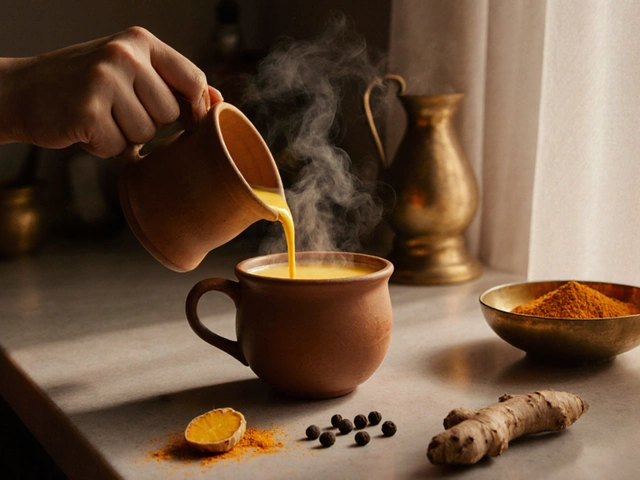
High blood pressure, a silent condition that forces your heart to work harder, damaging arteries over time is one of the biggest drivers. And yes, some herbs, like licorice root or ephedra, often used in Ayurvedic or home remedies can make it worse—even if they’re labeled "natural." On the flip side, turmeric and ashwagandha may help reduce inflammation linked to heart damage, but they’re not magic pills. They work best when paired with real lifestyle changes.
Heart disease doesn’t always end in a heart attack. For some, it leads to heart transplant, the last-resort surgery for end-stage heart failure, requiring lifelong medication and constant monitoring. Recovery takes months, sometimes years, and it’s not just physical—it’s emotional, financial, and social. The cost? Up to $1.7 million. That’s why prevention matters more than ever.
And it’s not just about doctors and drugs. Ayurveda has long recognized the link between stress, digestion, and heart health. The golden hour, the first 90 minutes after waking, when your body’s natural rhythm is most responsive to calming rituals, isn’t just for energy—it’s a quiet tool to lower cortisol and protect your heart. Skipping it for scrolling or coffee? That’s a risk you don’t need.
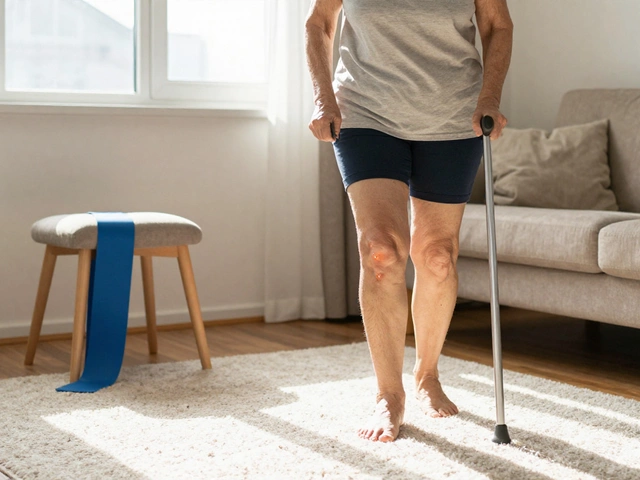
Heart surgery recovery, whether from bypass or valve replacement, isn’t just about healing the chest. It’s about rebuilding your entire routine—from sleep to stress to what you eat. And if you’ve had a knee replacement, you might think your heart’s fine—but mobility matters. Sitting too long after surgery raises clot risk. Movement isn’t optional. It’s medicine.
What you’ll find below aren’t just articles. They’re real stories from people who’ve lived through heart transplants, battled high blood pressure with herbs, recovered from major surgery, and learned how Ayurveda fits into modern heart care. No fluff. No guesses. Just what works—and what doesn’t—based on actual experience and medical facts.