Food Interactions in Ayurveda: What to Eat Together and What to Avoid
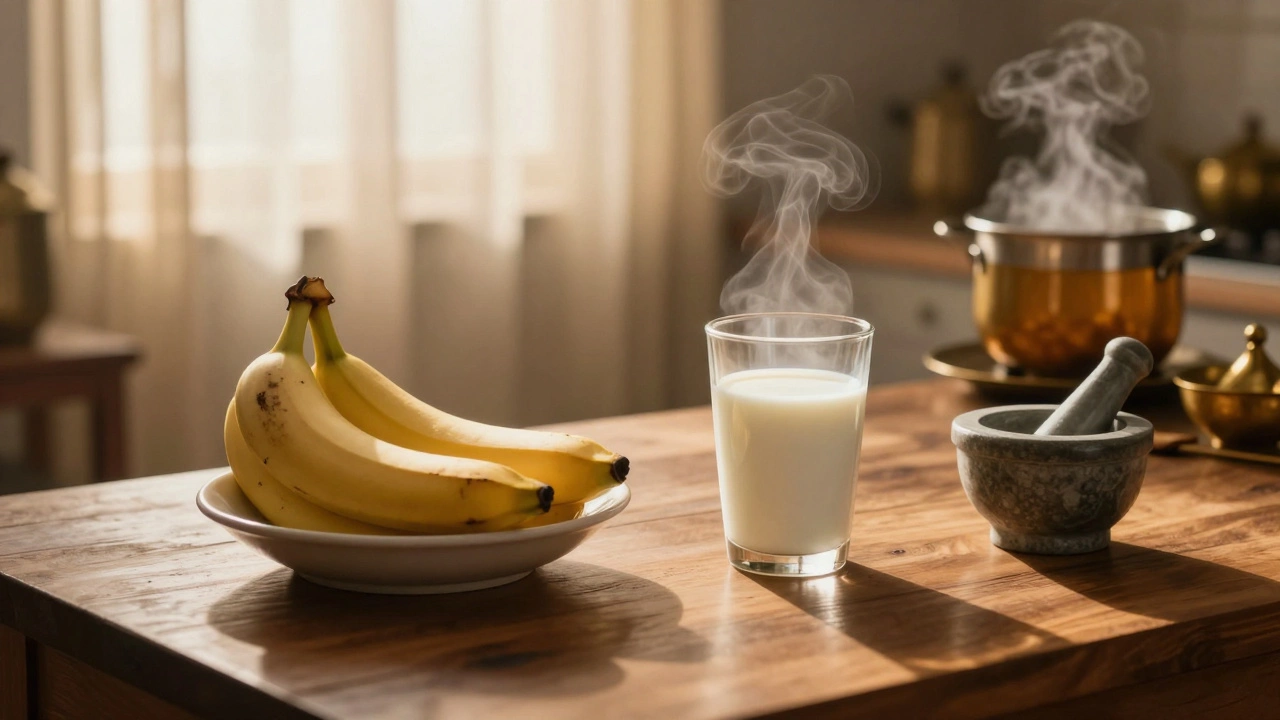
When it comes to eating for health, Ayurveda, an ancient Indian system of medicine that matches food and lifestyle to your body type. Also known as the science of life, it doesn’t just tell you what to eat—it tells you how to eat it. A banana and milk might seem harmless, but in Ayurveda, this combo is discouraged because it slows digestion and can trigger mucus buildup. Same with honey and ghee in equal parts—mixing them can create toxins, or ama, that clog your system. These aren’t random rules. They’re based on how different foods interact with your body’s energy, or dosha—Vata, Pitta, or Kapha.
Food interactions in Ayurveda aren’t about calories or macros. They’re about digestive fire, the body’s ability to break down food and absorb nutrients. If your digestive fire is weak, even healthy foods can turn into toxins. That’s why combining cold and hot foods, or heavy proteins with heavy sugars, often backfires. For example, eating yogurt at night can dampen digestion for Kapha types, while pairing spicy chili with cooling cucumber might cancel out their benefits. And then there are herbs like ashwagandha or turmeric—powerful on their own, but their effects change when mixed with dairy, alcohol, or certain medications. This is where modern medicine and Ayurveda sometimes clash. A person on blood pressure meds might not realize that licorice root, a common Ayurvedic herb, can interfere with their prescription. The same goes for guggul, used for cholesterol, which can affect thyroid meds.
Understanding these interactions isn’t about fear—it’s about awareness. Ayurveda doesn’t ban foods. It teaches you to work with your body, not against it. If you’re Vata-dominant, warm, cooked meals with ghee help. If you’re Pitta, avoid hot spices and citrus on an empty stomach. Kapha types need lighter, spicier foods to stay energized. The golden hour, the first 90 minutes after waking, when digestion is naturally strongest is your best window to eat your biggest meal. Skip cold smoothies or heavy toast then, and you’ll feel the difference. These aren’t mystical ideas—they’re practical rhythms backed by centuries of observation.
Below, you’ll find real posts that break down exactly how these food rules play out in daily life—from which herbs raise blood pressure to how to balance your dosha without giving up your favorite meals. You’ll learn what to avoid with common meds, what food combos actually help digestion, and how Ayurveda’s simple rules can make a bigger difference than any diet trend. No fluff. Just clear, actionable info to help you eat smarter, feel better, and avoid hidden traps in your daily meals.