Supplement Safety Checker
Check Supplement Safety
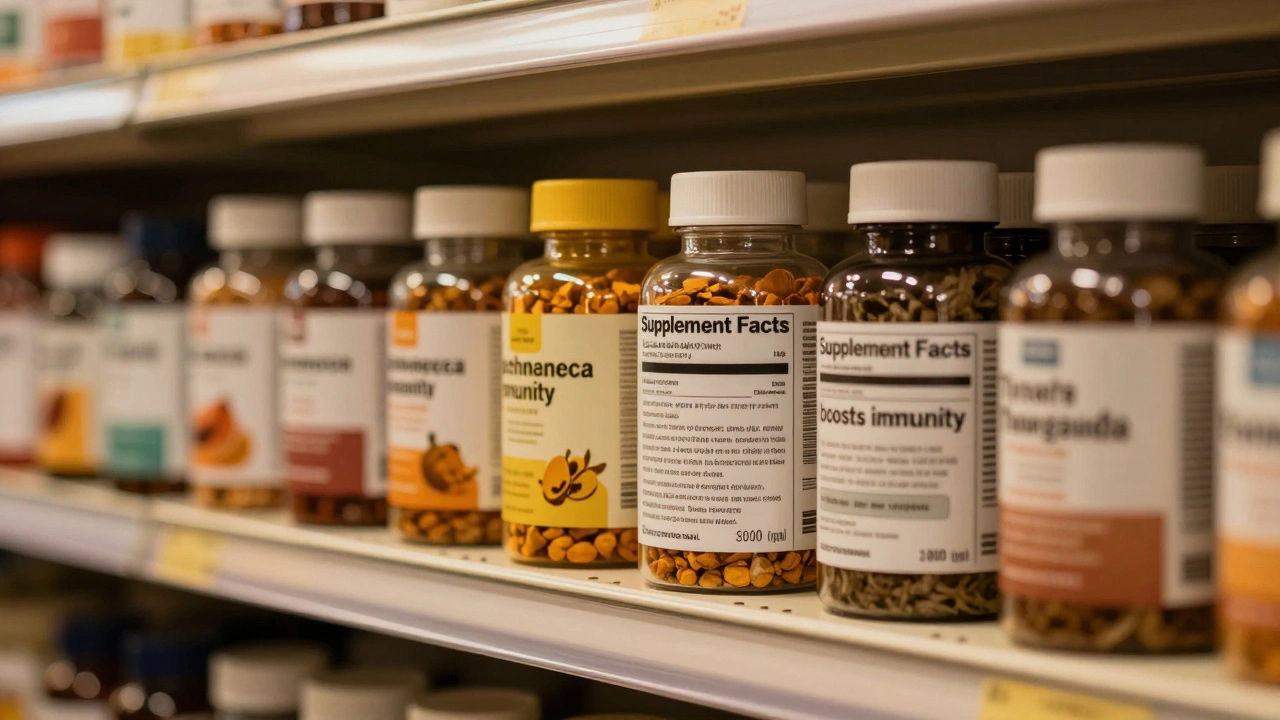
When you walk into a health store and pick up a bottle of echinacea, turmeric, or ashwagandha, you might assume it’s been checked by the government for safety and effectiveness. But here’s the truth: FDA does not approve herbal supplements before they hit the shelves. That’s not a loophole - it’s the law.
How herbal supplements are regulated (or not)
The FDA doesn’t treat herbal supplements like prescription drugs. Instead, they fall under a category called dietary supplements, which are governed by the Dietary Supplement Health and Education Act (DSHEA) of 1994. This law lets companies sell supplements without proving they’re safe or effective first. The FDA can only step in after a product causes harm - which means many herbal products are on the market with zero clinical testing.
Think of it this way: if you buy a new smartphone, it goes through safety tests before it’s sold. But if you buy a herbal pill labeled "supports immune health," no one has tested whether it works or if it could interact with your blood pressure medication. The burden of proof doesn’t lie with the manufacturer - it lies with the FDA… after the fact.
What the FDA actually does
The FDA doesn’t sit idle. They do monitor supplements, but their role is reactive, not preventive. Here’s what they actually do:
- Inspect manufacturing facilities for cleanliness and proper labeling
- Review reports of adverse events - like liver damage from kava or heart palpitations from ephedra
- Issue warnings or recalls when a supplement contains hidden drugs (like steroids or weight-loss chemicals)
- Block imports of contaminated products from overseas factories
Between 2015 and 2024, the FDA issued over 1,200 warning letters to supplement companies for illegal claims, unapproved ingredients, or poor manufacturing. In 2023 alone, they recalled 47 different herbal products after finding undeclared pharmaceuticals - including sildenafil (the active ingredient in Viagra) and sibutramine (a banned weight-loss drug).
Why this system exists
The DSHEA law was passed because of pressure from supplement manufacturers and consumer groups who argued that people should have access to natural remedies without government interference. The idea was: if it’s a food-like substance, it shouldn’t be treated like a drug.
But here’s the catch: many herbal supplements are sold with claims that sound like drugs. Labels say things like "reduces inflammation like ibuprofen" or "boosts testosterone like prescription HRT." These are illegal claims - but they’re everywhere. The FDA only acts when someone gets hurt or when a product is caught with a banned substance.

What you should look for on the label
Since there’s no pre-approval, you have to be your own watchdog. Here’s how to read a supplement label smarter:
- Look for "Supplement Facts" - this is required by law. If it’s missing, walk away.
- Check for third-party testing seals - like USP, NSF, or ConsumerLab. These aren’t government agencies, but they test for purity, potency, and contamination. Only about 10% of supplements carry these seals.
- Watch out for exaggerated claims - "cures arthritis," "guaranteed weight loss," or "FDA-approved" (it’s not). The FDA doesn’t approve supplements, so any label saying that is lying.
- Search the FDA’s database - if a product has been recalled, it shows up in their Recalls, Market Withdrawals, & Safety Alerts section. Type in the brand name to check.
Hidden dangers you might not know
Some herbal supplements are more dangerous than people realize. For example:
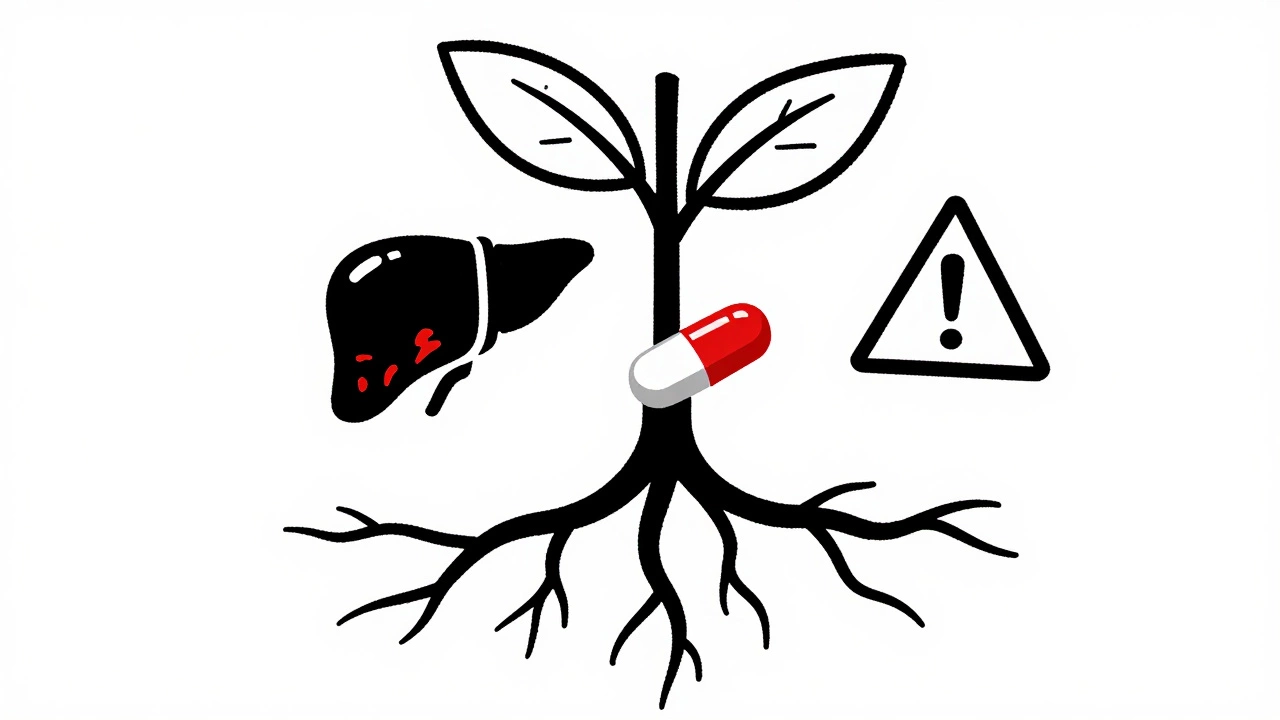
- Kava - linked to severe liver damage. Banned in several countries, still sold in the U.S.
- Green tea extract - high doses have caused acute liver failure in otherwise healthy people.
- Comfrey - contains pyrrolizidine alkaloids, which are toxic to the liver. Still sold as a topical cream.
- St. John’s Wort - interferes with over 50 medications, including antidepressants, birth control, and blood thinners.
A 2024 study from the Journal of the American Medical Association found that 1 in 5 herbal supplements tested contained contaminants like heavy metals, pesticides, or even prescription drugs. And none of those products had been recalled before being sold.
What about "natural" means safe?
"Natural" doesn’t mean harmless. Poison ivy is natural. Cyanide is found in apple seeds. Many potent drugs - like morphine, aspirin, and paclitaxel - come from plants. The difference is: those drugs were tested, dosed, and approved. Herbal supplements? Not so much.
Just because something comes from a plant doesn’t mean your body can handle it in the concentrated form found in pills. A cup of ginger tea is fine. A 500mg ginger extract capsule? That’s a different story - especially if you’re on blood thinners.
Who should be extra careful?
Some people are at higher risk:
- Pregnant or breastfeeding women
- People with liver or kidney disease
- Those taking prescription medications
- Patients preparing for surgery
- Children and older adults
Even something as common as garlic supplements can thin your blood - and if you’re about to have surgery, that’s a serious risk. Yet, most doctors don’t ask about supplements because they assume patients won’t tell them.
What you can do
Since the system isn’t perfect, here’s how to protect yourself:
- Talk to your doctor before starting any herbal supplement - even if it’s "just natural."
- Use trusted brands with third-party testing (USP, NSF, or ConsumerLab).
- Don’t combine multiple supplements - stacking them increases risk.
- Stop taking a supplement if you feel unwell - nausea, dizziness, or unusual fatigue could be signs of liver stress.
- Report adverse effects to the FDA through their MedWatch system. Your report helps them track dangerous products.
The bottom line: herbal supplements aren’t banned. But they’re not approved either. They’re in a legal gray zone - and you’re the one who has to navigate it.
 The 4 Core Principles of Ayurveda: A Guide to Holistic Balance
 What Are the Disadvantages of IVF? Real Risks and Challenges You Should Know
 What Doctor Prescribes Weight Loss Pills? Your Guide to the Right Specialist
 How Long Are You Bedridden After Open-Heart Surgery?
 Top Hospitals for Orthopedic Surgeries You Should Know About