
Heart Transplant Recovery Calculator
Personalized Recovery Timeline
Based on your factors, your estimated recovery will follow this pattern:
Signs of rejection may include:
When people ask what surgery takes the longest to heal, the answer isn’t always the most complex one-it’s the one that asks your body to rebuild itself from the inside out. For most patients, that’s a heart transplant. Unlike a broken bone or even a knee replacement, healing after a heart transplant isn’t just about closing a wound. It’s about getting a stranger’s organ to live inside you, learning to live with a new rhythm, and fighting off your own immune system every single day.
Why a Heart Transplant Takes So Long to Heal
Your heart doesn’t just pump blood-it’s the center of your entire system. When it fails, your kidneys, liver, lungs, and brain all start to suffer. A transplant replaces the damaged organ, but your body doesn’t see it as a gift. It sees it as an invader. That’s why healing takes months, sometimes years, and why the first 6 months are the most critical.
Most patients stay in the hospital for 10 to 14 days after surgery. But that’s just the start. Full recovery-where you can walk without fatigue, climb stairs without gasping, and sleep through the night-takes at least 6 months. For many, it takes a full year before they feel like themselves again. Some never fully return to their pre-surgery energy levels, especially if they were already weak before the transplant.
The Healing Process: Month by Month
Recovery isn’t a straight line. It’s a series of plateaus and setbacks. Here’s what most patients go through:
- Weeks 1-4: You’re in intensive care, then a regular ward. Your new heart is beating, but your body is in shock. Swelling, pain, and fatigue are normal. You can’t lift anything heavier than a coffee cup. Nurses check your heart rhythm hourly.
- Weeks 5-12: You start physical therapy. Walking 10 minutes becomes a victory. You’re on high doses of immunosuppressants-drugs that stop your body from rejecting the heart. Side effects? Tremors, weight gain, high blood pressure, and shaky hands. You can’t be around sick people-not even a cold.
- Months 4-6: Your energy starts to return. You might go back to light work or volunteer tasks. But you’re still on 4-6 different medications. Your doctor runs blood tests every week. A slight fever? You go to the ER. A minor cough? You get a chest X-ray. Every symptom is a potential rejection signal.
- Months 7-12: You’re considered stable. Your biopsies (tiny tissue samples taken from your heart) show no signs of rejection. You can drive, cook, and maybe even travel. But you still can’t lift more than 10 pounds. You still can’t get a tattoo, pierce your ears, or skip a single pill.
- Year 2 and beyond: You’re not “cured.” You’re in lifelong maintenance. Your heart may last 15-20 years, but you’ll need regular checkups, stress tests, and echocardiograms for the rest of your life.
What Makes Healing Slower for Some
Not everyone heals at the same pace. Age matters-patients over 65 take longer. Pre-existing conditions like diabetes, kidney disease, or lung scarring slow recovery. Obesity adds strain. Smoking before surgery? That’s a red flag. Even your mental health plays a role. Depression and anxiety delay healing. Patients who join support groups, stick to their meds, and eat well recover faster.
One study from the International Society for Heart and Lung Transplantation found that patients who followed their rehab plan strictly had a 70% lower chance of rejection in the first year. That’s not luck. That’s discipline.
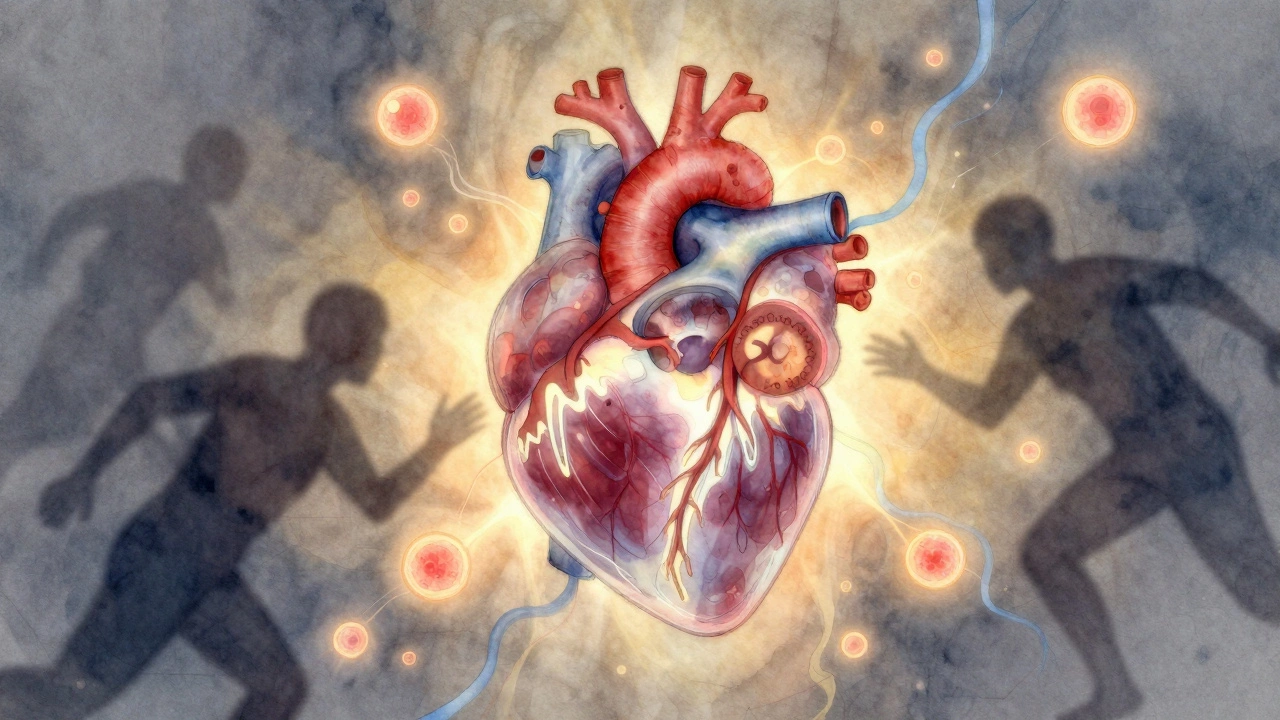
Rejection: The Silent Enemy
Rejection doesn’t always hurt. It doesn’t always come with fever or chest pain. Sometimes, it’s just a little less energy. A slight shortness of breath. A weird feeling in your chest that you can’t explain. That’s why biopsies are done so often-especially in the first year.
Doctors take small tissue samples from your heart through a catheter. It’s not painful, but it’s scary. You’re lying there while they check if your immune system is trying to kill your new heart. About 30% of patients have at least one episode of rejection in the first year. Most are caught early and treated with a short course of steroids. But if it’s missed? The heart can scar. And scarred tissue doesn’t pump well.
Lifestyle Changes That Make or Break Recovery
You can’t go back to your old habits. Not even a little.
- Diet: No salt-heavy meals. No fried food. No sugary drinks. You’re on diuretics and steroids-you’ll retain water and gain weight fast. A dietitian will help you plan meals with lean protein, veggies, and whole grains.
- Exercise: Walking is your best friend. Start with 5 minutes a day. Build to 30. No heavy lifting. No contact sports. No swimming in public pools until your doctor says it’s safe.
- Medications: You’ll take 8-12 pills a day. Some are for your heart. Some are for your blood pressure. Some are to keep your kidneys working. Miss one? You risk rejection. Set alarms. Use pill organizers. Keep a log.
- Infection control: No crowds during flu season. No petting stray animals. No gardening without gloves. Wash your hands every time you come home. Even your family needs to be careful.
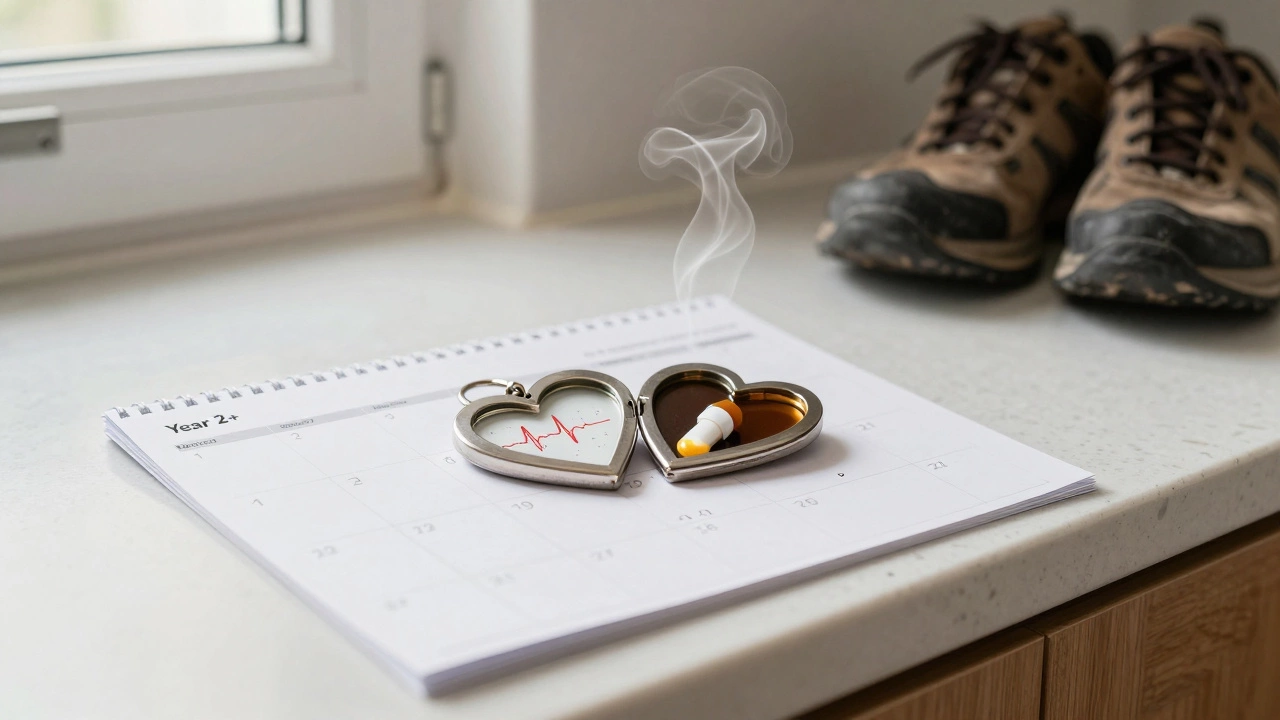
How Long Does the New Heart Last?
Most transplanted hearts last 15 to 20 years. Some last longer. A few have worked for over 30 years. But the heart doesn’t last forever. Over time, the blood vessels inside it can thicken. This is called Cardiac Allograft Vasculopathy. It’s like your heart gets clogged from the inside. It’s hard to treat. That’s why many patients end up needing another transplant-or they live with heart failure for the rest of their lives.
That’s why follow-up care never stops. Even if you feel fine, you go in every 3 months. Every year, you get a cardiac MRI. Every two years, you get a stress test. You’re not just managing a transplant-you’re managing a lifelong relationship with your new heart.
What About Other Surgeries? How Do They Compare?
Some surgeries take longer to recover from in terms of pain or mobility-but none match the complexity of heart transplant healing.
- Double lung transplant: Similar timeline. Also requires lifelong immunosuppressants. But lung tissue regenerates a bit faster than heart muscle.
- Liver transplant: Healing takes 6-12 months. Less daily medication burden than heart transplants. But rejection still happens.
- Spinal fusion: Takes 6-12 months to fully heal, but you’re not on immune drugs. Pain fades. Mobility returns.
- Bypass surgery: Recovery is 3-6 months. You’re not getting a new heart-you’re rerouting blood around blocked arteries. Much less risk of rejection.
Heart transplant is the only surgery where you’re not just healing from an operation-you’re learning to coexist with a foreign organ that could turn against you at any moment.
Can You Live a Normal Life After?
Yes-but “normal” changes. You might not run marathons. You might not travel to countries without good hospitals. You might need to plan your vacations around your next biopsy. But you can hug your kids. You can watch your grandkids grow. You can sit on your porch and drink coffee without being out of breath.
One patient I spoke with, a 58-year-old teacher from Chennai, started teaching again after 10 months. She couldn’t stand for long, so she used a stool. She couldn’t lift her students’ books, so she asked for help. But she was back in the classroom. That’s what healing looks like-not perfection, but purpose.
How long does it take to fully recover from a heart transplant?
Full recovery takes about 6 to 12 months, but lifelong care is required. Most patients return to light daily activities within 3-6 months, but physical limits, medication schedules, and regular medical checks continue indefinitely. Energy levels often plateau after a year, and some patients never regain their pre-surgery stamina.
Can you reject a transplanted heart years later?
Yes. Rejection can happen anytime, even decades after the transplant. Chronic rejection, called Cardiac Allograft Vasculopathy, develops slowly over years as blood vessels inside the heart thicken. Regular biopsies and imaging tests help catch it early. Lifelong immunosuppressants reduce-but don’t eliminate-the risk.
What are the biggest risks after a heart transplant?
The top risks are infection, organ rejection, and side effects from immunosuppressant drugs. These drugs weaken your immune system, making you vulnerable to viruses, fungi, and even common colds. Long-term use can cause kidney damage, high blood pressure, diabetes, and increased cancer risk. Regular monitoring helps manage these.
Do you need to take medication forever after a heart transplant?
Yes. You’ll take immunosuppressants for the rest of your life. These drugs prevent your body from attacking the new heart. Skipping even one dose can trigger rejection. Medication schedules are strict-often 8-12 pills a day. Some patients may reduce doses over time, but never stop without a doctor’s direction.
Can you exercise after a heart transplant?
Yes, but with limits. Walking, cycling on a stationary bike, and light strength training are encouraged. You should avoid heavy lifting (over 10 pounds), contact sports, and high-intensity workouts until cleared by your doctor. Most patients build up to 30 minutes of moderate exercise, 5 days a week, after the first year.
How often do you need medical checkups after a heart transplant?
In the first year, you’ll have weekly blood tests and monthly biopsies. After that, checkups slow to every 2-3 months. Annual tests include echocardiograms, stress tests, and cardiac MRIs. Even after 5 years, you’ll still need to see your transplant team at least twice a year.
 Affordable IVF Clinics in the United States: Finding the Best Options
 What Happens If You Wait Too Long for Knee Surgery?
 Most Overlooked Mental Illness: Understanding Dysthymia
 Boost Your Metabolism for Weight Loss After 60
 What Is the Most Expensive Surgery? Costs, Reasons, and What It Includes