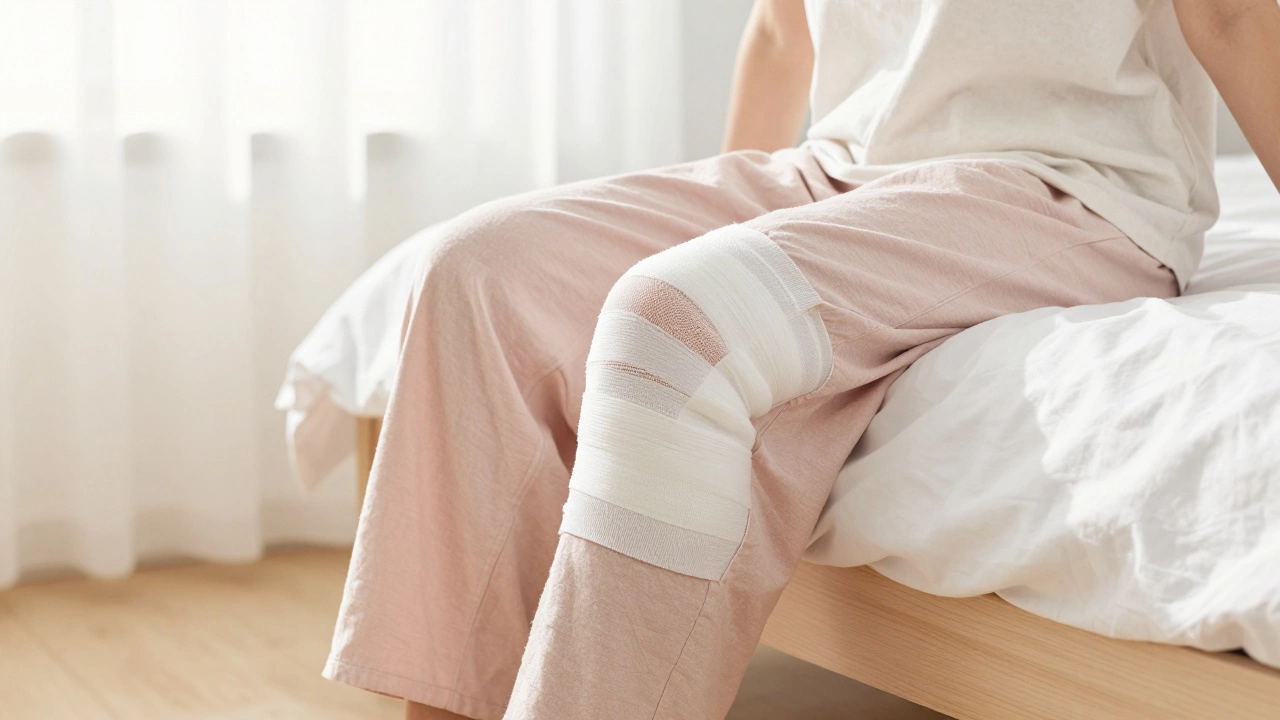
Post-Knee Surgery Clothing Guide
Select your current recovery phase to see recommended clothing choices and safety tips.
Please select a recovery phase above to get started.
The short answer is yes, you can wear pants, but the pants after knee surgery you choose will make or break your comfort for the first six weeks. If you try to squeeze into tight trousers, you'll likely irritate the incision site or struggle with the sheer physics of lifting your leg into a narrow leg hole while keeping your hip stable.
Quick Comfort Guide
- Days 1-14: Focus on maximum airflow and zero pressure on the incision. Think wide-leg pajamas or oversized robes.
- Weeks 2-6: Transition to soft, elastic waistbands. Avoid anything with zippers or buttons that require bending over.
- Month 2+: Gradually return to structured clothing as swelling subsides and your range of motion improves.
The Struggle with Swelling and Incisions
Right after a Knee Replacement is a surgical procedure where a damaged knee joint is replaced with an artificial prosthesis., your leg doesn't just feel sore; it looks and feels larger. This is called edema. When your knee is swollen, it takes up more physical space, and the skin becomes incredibly sensitive.
If you wear pants that are too tight, you risk restricting blood flow or, worse, rubbing against the surgical staples or sutures. Friction is the enemy here. A rough seam against a healing wound can cause irritation or even pull a stitch. That is why the goal for the first few weeks isn't style-it's accessibility. You need to be able to get your leg in and out without straining your muscles or putting weight on the joint.
Best Types of Pants for Early Recovery
You want fabrics that breathe and shapes that don't cling. Here are the best options to keep in your wardrobe during the initial healing phase.
Wide-Leg Pajama Pants
These are the gold standard. Look for lightweight cotton or modal blends. The wide leg allows you to slide the fabric over your knee and ankle without any tugging. More importantly, they provide plenty of room for a bulky dressing or a cold compress wrap if your therapist has you using one.
Yoga Pants and Soft Joggers
Once you're moving a bit more, soft Yoga Pants can be great, provided they aren't "compression" style. You want a relaxed fit. The elastic waistband is a lifesaver because you won't have to bend your waist or struggle with buttons while balancing on a walker or crutches.
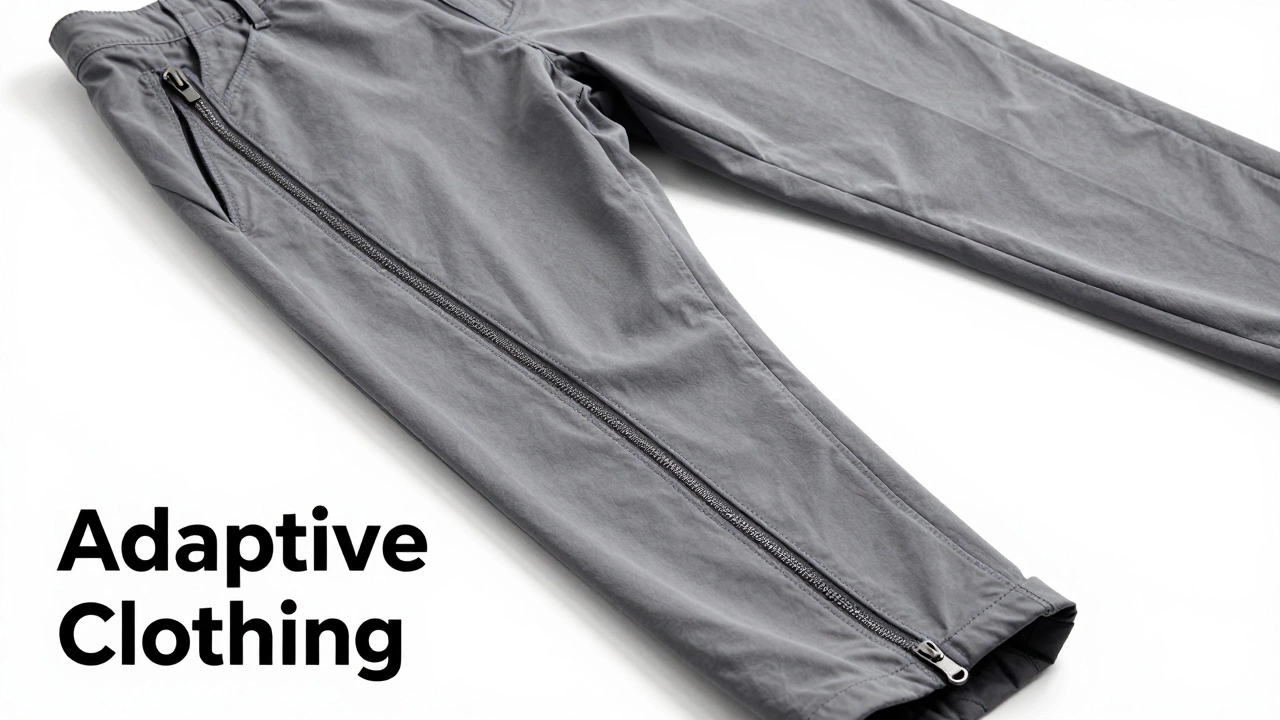
Adaptive Clothing
There is a whole world of adaptive wear designed for people with limited mobility. Some pants come with side-opening zippers or Velcro closures that run from the waist down to the ankle. This means you don't have to lift your leg high to get the pants on; you simply wrap the fabric around your leg and zip it shut.
| Clothing Type | Best Phase | Pros | Cons |
|---|---|---|---|
| Wide-Leg Cotton PJ | Immediate Post-Op | Zero pressure, easy on/off | Not suitable for errands |
| Loose Joggers | Weeks 2-6 | Comfortable, keeps leg warm | Can be too tight at ankles |
| Adaptive Side-Zip | All Phases | No leg-lifting required | More expensive to buy |
| Denim/Jeans | Month 2+ | Professional look | Restrictive, hard to put on |
Practical Tips for Getting Dressed
Putting on pants when you can't bend your knee normally is a challenge. Here are a few hacks to make it easier:
- Sit down first: Never try to dress while standing on one leg. Sit on the edge of a sturdy chair or bed.
- The "Good Leg" Rule: Always put the pants on your non-operated leg first. This allows you to get the clothing settled before dealing with the restricted movement of the surgical leg.
- Use a Reach Stick: If you have a dressing aid or a reacher, use it to pull the fabric up your leg so you don't have to lean forward and put pressure on your hip or back.
- Go a size up: Even if you usually wear a medium, buy a large or XL for the first month. The extra room accommodates the swelling and makes the process less stressful.
When to Be Concerned About Your Clothing
While clothing choice is mostly about comfort, it can sometimes be a signal of a problem. If you find that your pants are leaving deep indentations in your skin, it might be a sign that your Edema (swelling) is excessive. Similarly, if you notice redness or discharge on the skin where the fabric rubs, you need to switch to looser clothing immediately and alert your medical team.
The skin over a surgical site is thin and vulnerable. Avoid fabrics like heavy wool or synthetic polyesters that don't breathe, as they can trap heat and moisture, potentially increasing the risk of skin irritation around the incision.
Integrating Movement and Fashion
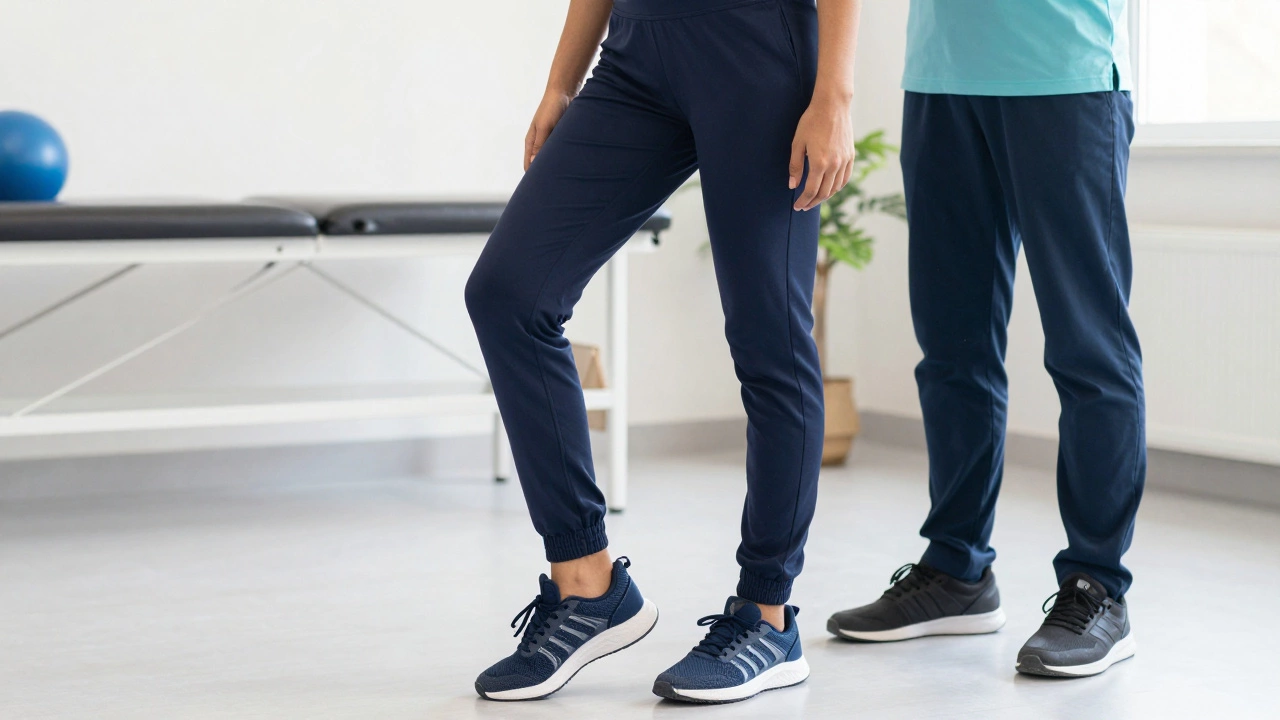
As you move into Physical Therapy, your needs will change. You'll spend a lot of time in the gym or clinic. This is where athletic wear becomes your best friend. Lightweight, moisture-wicking fabrics help keep the skin dry, which is important for wound healing.
Avoid leggings that are too tight around the calf. If the fabric squeezes the lower leg, it can actually push fluid back toward the knee, increasing the swelling you're trying to get rid of. Stick to "tapered" rather than "tight." Give your joint room to breathe and move through the exercises your therapist has assigned.
Can I wear jeans shortly after knee surgery?
It is generally not recommended for the first 4 to 8 weeks. Jeans are stiff and have narrow leg openings that make them difficult to put on without bending the knee too far or straining the incision. Wait until the swelling has gone down and your surgeon confirms the wound is fully closed.
Are leggings okay to wear?
Only if they are loose-fitting. High-compression leggings can restrict blood flow or irritate the surgical site. If you choose leggings, ensure they are a relaxed fit and do not press tightly against the knee joint.
How do I put on pants without bending my knee?
The best method is to sit in a chair, put the pants on your healthy leg first, and then carefully slide the fabric over the surgical leg using your hands to guide the fabric up rather than lifting your leg high. Adaptive clothing with side zippers is also a great solution.
When can I go back to wearing slim-fit trousers?
Most patients can return to slimmer clothing after the 2-month mark, once the internal swelling has subsided and the skin has regained its elasticity. Always test them out for a few hours at home first to ensure there is no rubbing or discomfort.
Do I need special shoes to go with my pants?
Yes. Regardless of the pants, you should wear supportive, non-slip shoes with a wide base. Avoid slippers that slide off or high heels, as stability is more important than matching your outfit during the recovery phase.
Next Steps for a Smoother Recovery
If you are preparing for surgery, spend a weekend clearing out your closet. Put your tight jeans and formal trousers in a separate bin and gather all your oversized lounge wear in one place. Having a "recovery station" with easy-access clothing reduces the stress of the first few days home.
If you find that even the loosest pants are uncomfortable, don't hesitate to talk to your doctor about your swelling. Sometimes a change in icing technique or medication can help bring the inflammation down, making your wardrobe choices much easier. Focus on the long game: the goal is a fully functional knee, and a little bit of oversized fashion for a few weeks is a small price to pay for a successful recovery.
 At What Age Is ADHD at Its Peak? Understanding Symptom Trends Across Life
 Heart Surgery Life Expectancy: What to Expect After the Procedure
 What Is the Most Painful Cancer Treatment?
 Can Prescription Drugs Be Ordered Online? Your Guide to Online Pharmacies
 Why Am I So Angry After Open-Heart Surgery?