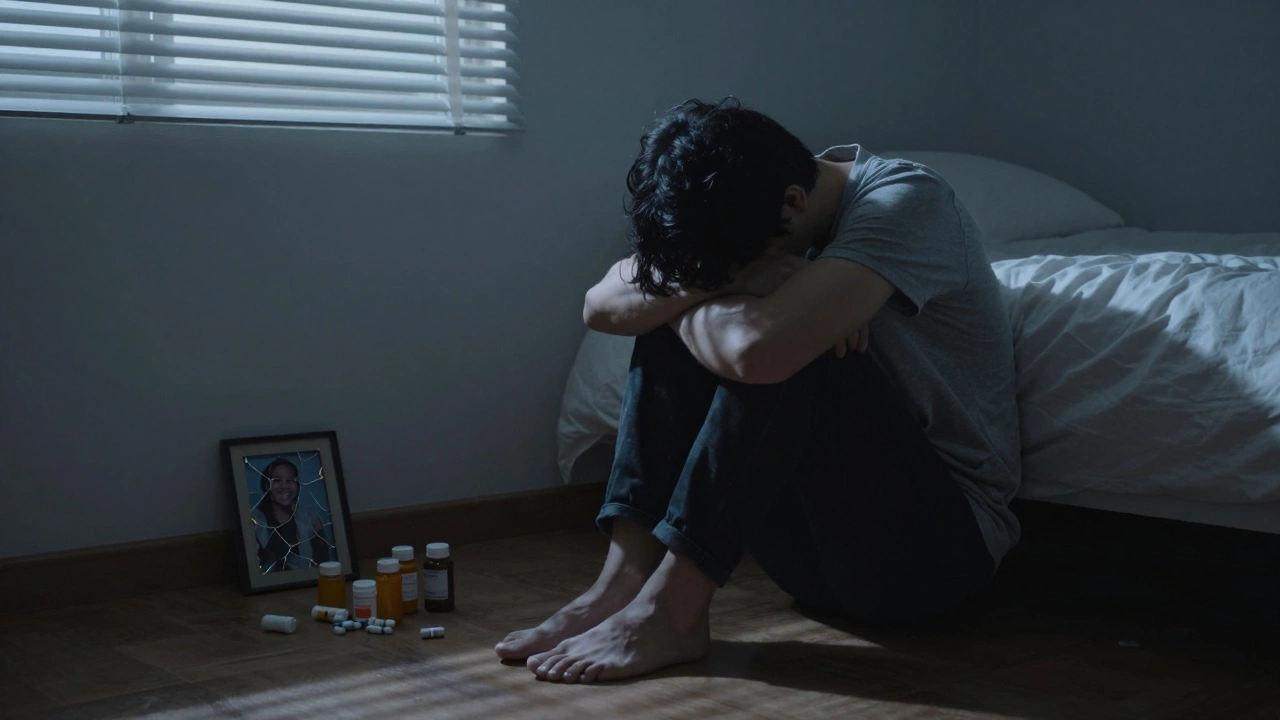
Depression Risk Assessment Tool
This tool estimates your depression risk based on clinical factors. It's not a diagnosis but helps you understand potential risks. Results should be discussed with a mental health professional.
Your Risk Assessment
Risk Level
Physical Health Risk:
Depression increases heart disease risk by up to 40%
Mental Health Risk:
40% higher risk of suicide attempts
What This Means:
Immediate Help in India
Call these free helplines:
When people ask about the deadliest mental illness, they’re often thinking of something dramatic - a condition that kills fast, visibly, dramatically. But the truth is quieter, more hidden, and far more common. The number one deadliest mental illness isn’t schizophrenia. It isn’t bipolar disorder. It’s depression.
Why Depression Wins the Deadly Title
Depression doesn’t kill with a bang. It kills with a whisper. People don’t wake up one day and die from depression. They wake up every day feeling heavier. More empty. More alone. And over time, that weight crushes the will to keep going.
The World Health Organization says over 280 million people worldwide live with depression. In India alone, more than 5% of the population - that’s over 70 million people - struggle with it. But numbers don’t tell the whole story. What matters is what happens when depression goes untreated.
Depression is the leading cause of suicide. In fact, nearly 80% of all suicide deaths are linked to depression or other mood disorders. Suicide is the fourth leading cause of death among people aged 15 to 29 globally. That’s teenagers, college students, young professionals - people who still have years ahead of them.
Here’s the hard part: many people with depression never get diagnosed. They think they’re just tired. Or lazy. Or weak. They don’t see it as an illness. They think they can snap out of it. But depression isn’t sadness. It’s a biological, psychological, and social storm that rewires how your brain processes emotion, sleep, motivation, and even pain.
How Depression Turns Deadly
Depression doesn’t just make you feel bad. It changes your body. Chronic stress from depression raises cortisol levels. That leads to inflammation, high blood pressure, and weakened immunity. People with depression are 40% more likely to develop heart disease. They’re also more likely to skip medications for diabetes or high cholesterol.
And then there’s the behavioral side. Depression steals sleep. It kills appetite - or triggers binge eating. It makes people stop exercising, stop seeing friends, stop calling the doctor. Some turn to alcohol or drugs to numb the pain. Others stop taking their meds because they feel like there’s no point.
One study from the American Journal of Psychiatry found that people with major depressive disorder have a 3.5 times higher risk of dying prematurely - from heart disease, stroke, or suicide - compared to people without depression. That’s not a small gap. That’s life or death.
What About Eating Disorders?
You might have heard that anorexia nervosa is the deadliest mental illness. And technically, yes - in terms of mortality rate per person, it is. About 5% of people with anorexia die within 10 years. That’s terrifying.
But here’s the catch: anorexia affects far fewer people. Globally, less than 1% of the population will develop it. Depression affects over 3% - and that’s just the diagnosed cases.
So while anorexia has a higher death rate per case, depression kills more people overall because it’s so widespread. Think of it this way: a single wildfire can burn down one house completely. But a slow-burning ember in a thousand homes? That’s the real disaster.

The Silent Epidemic in India
In India, depression is underreported. Stigma is real. People say, “Just pray more.” Or “You’re overthinking.” Or “Be strong.” But strength isn’t about ignoring pain. It’s about asking for help.
Many rural families still believe mental illness is a curse or a punishment. Young adults hide symptoms because they fear losing marriage prospects or job opportunities. A 2023 study by the National Institute of Mental Health and Neurosciences (NIMHANS) found that less than 10% of people with depression in rural India receive any treatment.
And the numbers are climbing. Urban stress, job insecurity, social isolation, and digital overload are making depression worse - especially among women, students, and young men who feel pressured to “never show weakness.”
What You Can Do
Depression isn’t hopeless. It’s treatable. Therapy, medication, lifestyle changes - all of them work. But only if you act.
- If you feel numb most days, and nothing brings joy anymore - talk to someone.
- If you’ve lost interest in things you once loved - don’t brush it off.
- If you’re having thoughts like “I’m a burden” or “It would be better if I wasn’t here” - reach out immediately.
There are free helplines in India: AASRA (9820466726) and Vandrevala Foundation (9999666555). These lines are staffed by trained counselors. No judgment. No cost. Just help.
And if you’re worried about someone else - don’t wait for them to ask. Ask them. “I’ve noticed you’ve been quiet lately. Are you okay?” Sometimes, that one question saves a life.
It’s Not About Blame
Depression isn’t a character flaw. It’s not laziness. It’s not a lack of faith. It’s a medical condition, just like diabetes or hypertension. You wouldn’t tell someone with cancer to “just cheer up.” Why say it to someone with depression?
Recovery isn’t about willpower. It’s about care. And care starts with recognition.
Breaking the Silence
The deadliest mental illness isn’t deadly because it’s rare. It’s deadly because it’s ignored. Because we whisper about it. Because we think it’s someone else’s problem.
But here’s the truth: you know someone with depression. Maybe it’s your coworker who always says “I’m fine.” Or your sibling who stopped posting on social media. Or your parent who sleeps too much and eats too little.
They don’t need advice. They need you to say: “I’m here.”
Is depression really the deadliest mental illness?
Yes, in terms of total deaths, depression is the deadliest mental illness because it affects so many people and is the leading cause of suicide. While disorders like anorexia have higher death rates per person, depression’s widespread nature makes it responsible for far more deaths overall.
Can depression be cured?
Depression can be managed and treated effectively. Many people recover fully with therapy, medication, lifestyle changes, and social support. Recovery doesn’t mean never feeling low again - it means regaining control over your life and knowing how to cope when low moods return.
Why do so many people in India not seek help for depression?
Stigma, lack of awareness, and cultural beliefs play a big role. Many believe depression is a sign of weakness, a spiritual issue, or something you should just “get over.” Access to mental health professionals is also limited, especially in rural areas. Financial barriers and fear of judgment keep people silent.
Is suicide the only way depression kills?
No. Depression increases the risk of heart disease, stroke, diabetes complications, and other physical illnesses. People with depression often neglect their physical health - skipping doctor visits, not taking meds, or using alcohol to cope. These factors contribute to premature death, even without suicide.
What should I do if someone I know is showing signs of depression?
Don’t wait for them to ask. Say something simple: “I’ve noticed you’ve been different lately. I care about you.” Listen without trying to fix it. Offer to help them find a counselor or go with them to a clinic. If they talk about suicide, don’t leave them alone. Call a helpline like AASRA or Vandrevala. Your presence can be lifesaving.
 How Long Are You Bedridden After Open-Heart Surgery?
 Top Herbal Supplements for Boosting Your Health in 2025
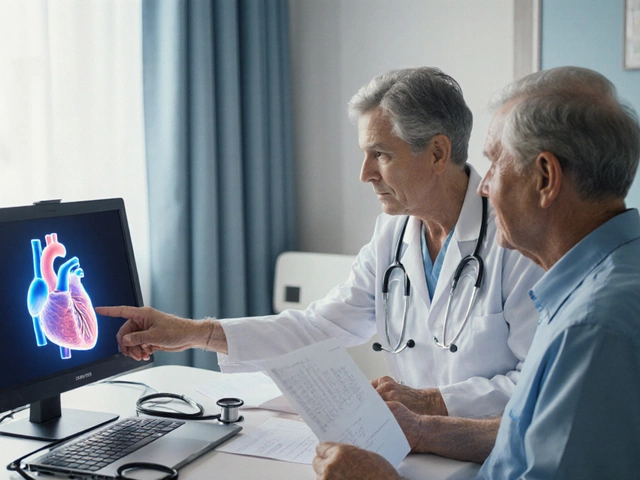 Heart Surgery Life Expectancy: What to Expect After the Procedure
 Pitta Person Traits: What Sets Them Apart in Ayurveda
 Unveiling the World's Riskiest Heart Surgeries: Insights and Precautions