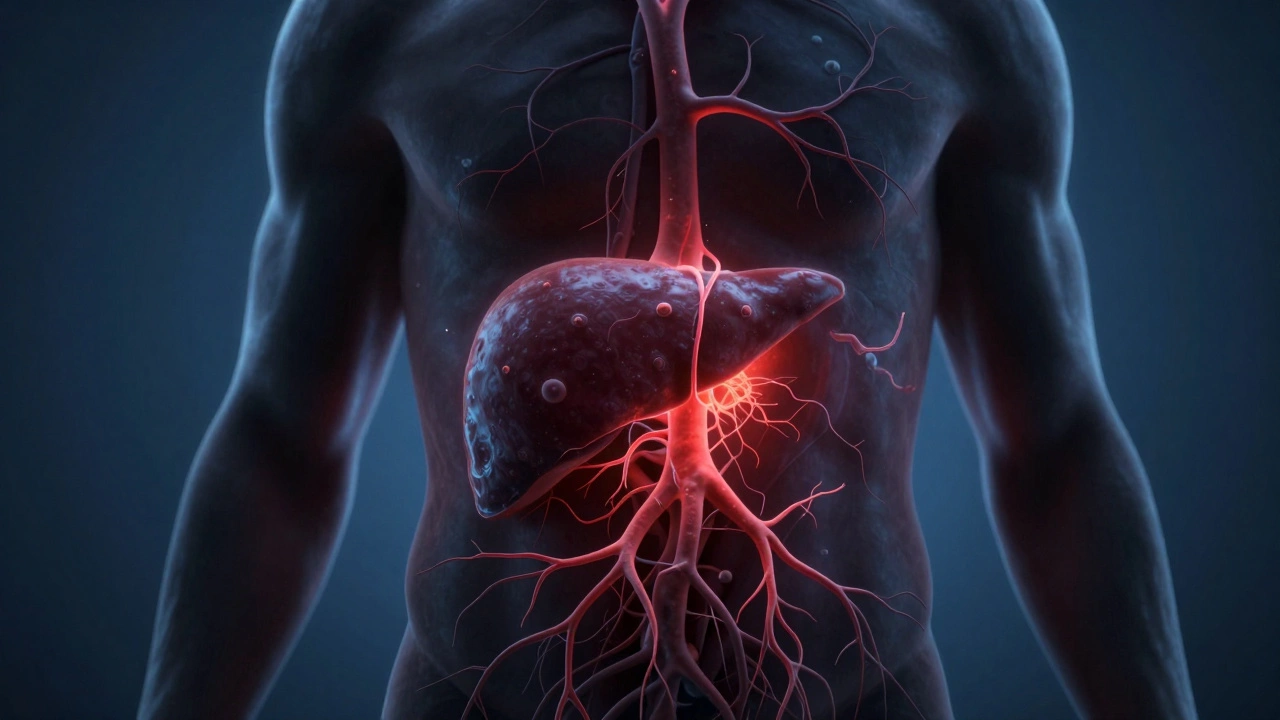
Pancreatic Cancer Survival Risk Calculator
Risk Factors
Your Estimated Survival Probability
N/A 5-year survival probability
This is a general estimate based on risk factors. Actual outcomes vary significantly.
Important Notes
According to the article, pancreatic cancer has the lowest survival rate among major cancers (12% 5-year survival). Your risk is influenced by:
- Age (80% of cases occur in people over 60)
- Smoking (doubles risk)
- Family history (especially two or more affected relatives)
- Early detection (most survivors had cancer found before spreading)
When people ask about the fastest killing cancer, they’re usually looking for a straight answer - not a long medical lecture. The truth is simple: pancreatic cancer is the most deadly. It doesn’t just spread fast. It often shows no symptoms until it’s too late. By the time most people are diagnosed, the cancer has already moved to other organs. That’s why it kills more than 90% of patients within five years. For many, survival is measured in months, not years.
Why Pancreatic Cancer Is So Deadly
The pancreas sits deep inside the abdomen, behind the stomach. It helps digest food and control blood sugar. But because of its location, tumors grow without causing pain or obvious signs. Early symptoms like mild belly discomfort, loss of appetite, or unexplained weight loss are easy to ignore. People think it’s just stress, a stomach bug, or aging. By the time jaundice appears - yellow skin or eyes - the cancer is usually advanced.
Unlike breast or colon cancer, there’s no routine screening test for pancreatic cancer. Mammograms, colonoscopies, and Pap smears catch other cancers early. Nothing like that exists for the pancreas. Doctors only find it accidentally during scans for other issues. Even then, the tumor is often too large to remove surgically.
When surgery is possible - which happens in less than 20% of cases - it’s a major operation called a Whipple procedure. It removes part of the pancreas, the gallbladder, part of the stomach, and the small intestine. Recovery takes months. And even after surgery, most patients still need chemotherapy. The cancer often comes back.
Survival Rates That Tell the Real Story
The numbers don’t lie. According to data from the American Cancer Society and global cancer registries, the five-year survival rate for pancreatic cancer is just 12%. That’s the lowest of all major cancers. For comparison:
- Breast cancer: 91% five-year survival
- Prostate cancer: 97%
- Colorectal cancer: 65%
- Lung cancer: 23%
- Pancreatic cancer: 12%
And here’s the harder truth: if the cancer has spread to distant organs - which happens in nearly half of all cases at diagnosis - the five-year survival drops to under 3%. Most people live less than a year after diagnosis. A 2023 study tracking 12,000 pancreatic cancer patients across the U.S. and Europe found that 48% died within six months. Only 17% survived past two years.
What Makes It Spread So Fast?
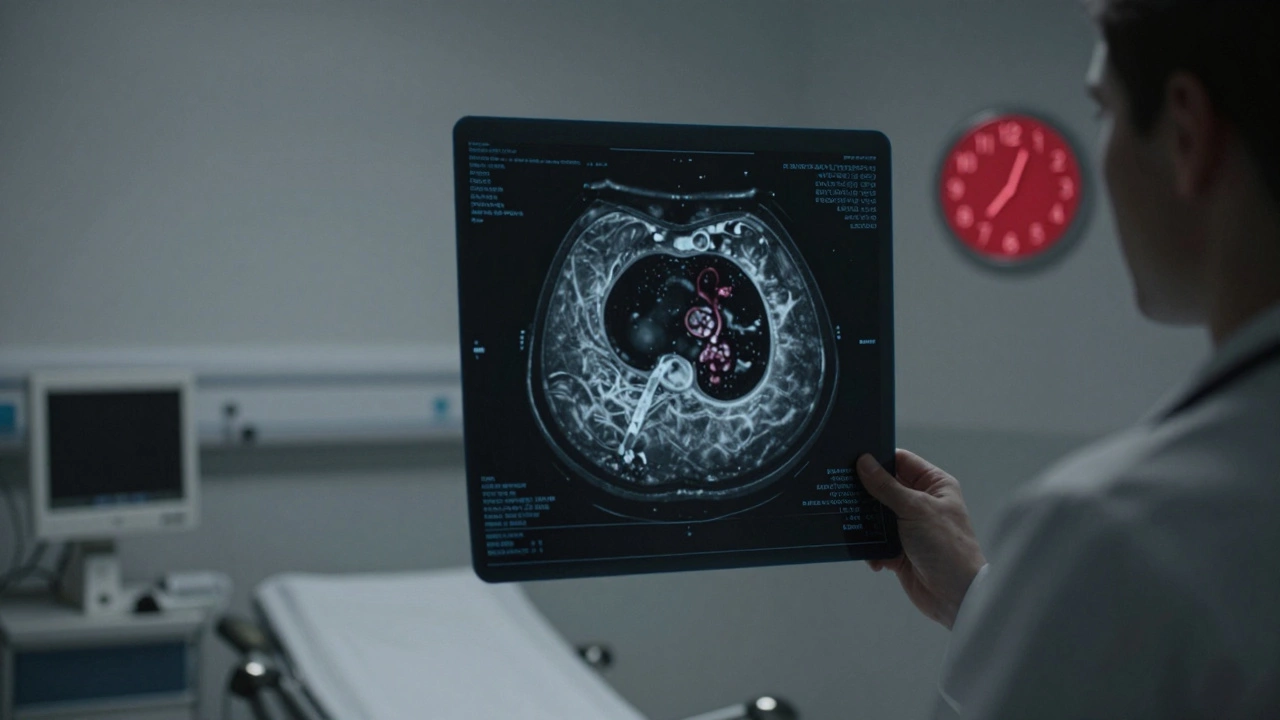
Pancreatic cancer cells are aggressive. They don’t just grow - they invade nearby blood vessels and nerves early on. That’s why pain often starts in the back, not the belly. The cancer sends out tiny threads of cells that latch onto the celiac artery and superior mesenteric vein. These are major blood routes. Once cancer cells enter the bloodstream, they travel to the liver, lungs, and bones. Liver metastasis happens in over 80% of advanced cases.
Another reason it’s hard to treat: pancreatic tumors are surrounded by thick scar tissue called stroma. This acts like a shield. Chemotherapy drugs can’t get through easily. Even the newest targeted therapies and immunotherapies struggle. Unlike melanoma or lung cancer, where immune drugs have changed outcomes, pancreatic cancer barely responds. It’s like trying to fight a fire while the water hose is clogged.
Who’s at Highest Risk?
It’s not random who gets pancreatic cancer. Certain factors raise the risk:
- Smoking - doubles the risk
- Chronic pancreatitis - long-term inflammation of the pancreas
- Obesity - especially with a waist over 40 inches
- Age - 80% of cases are in people over 60
- Family history - having two or more close relatives with pancreatic cancer
- Genetic syndromes - BRCA1, BRCA2, Lynch syndrome, or hereditary pancreatitis
People with type 2 diabetes that develops after age 50 also have a higher risk. It’s not that diabetes causes cancer - but new-onset diabetes can be an early sign of a tumor hiding in the pancreas. Doctors now watch for this as a red flag.
Are There Any Hopeful Developments?
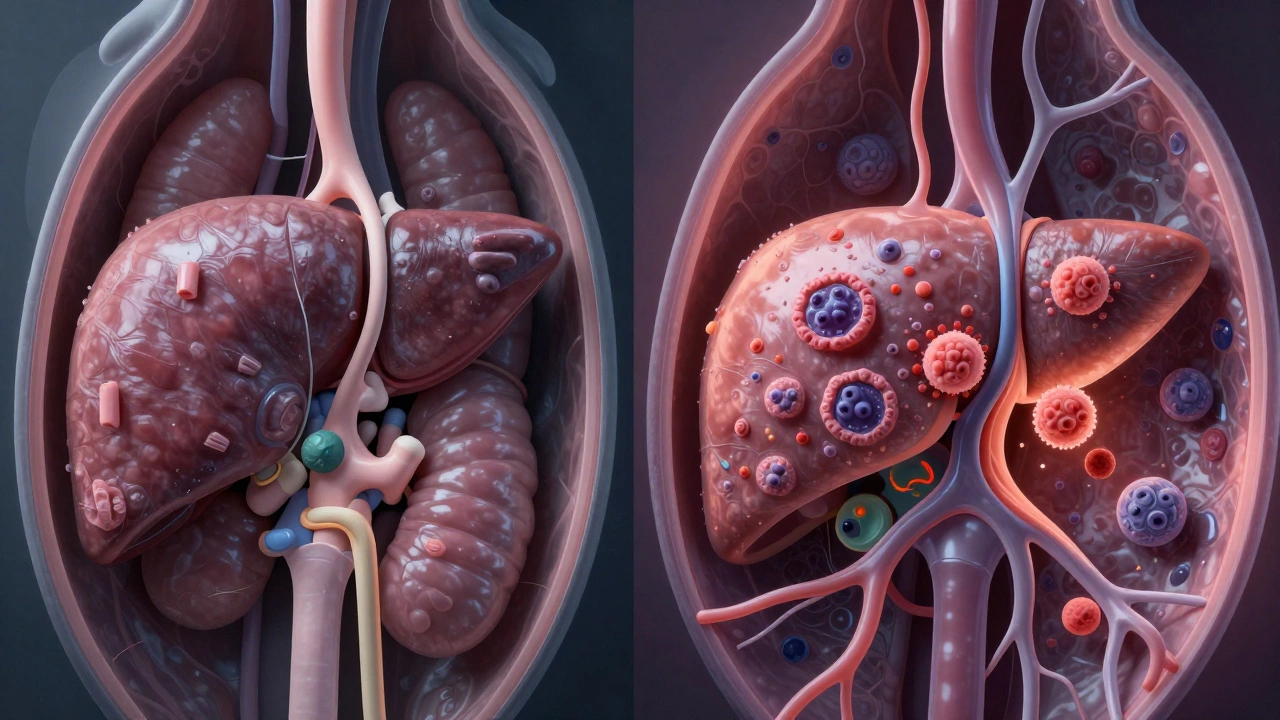
Yes - but slowly. Researchers are working on better ways to catch pancreatic cancer early. One promising approach is using blood tests to find tumor DNA floating in the bloodstream. A 2024 clinical trial tested a new liquid biopsy that detected early-stage pancreatic cancer in 87% of patients who later confirmed it with scans. It’s not ready for widespread use yet, but it’s a step forward.
Another breakthrough is in surgery. Surgeons in cities like Boston, Tokyo, and Bangalore are using robotic systems to remove tumors that were once considered inoperable. These robots offer more precision in tight spaces. Recovery times are shorter. Survival rates for patients who get these advanced surgeries have improved by 15-20% in the last five years.
Drug trials are also testing combinations of chemotherapy and immunotherapy. A new drug called TAK-228, combined with gemcitabine, showed a 30% increase in survival time in early trials. It’s not a cure, but for someone with no options, it’s a chance.
What Should You Do?
If you’re worried about pancreatic cancer, here’s what matters:
- Don’t ignore unexplained weight loss, especially if you haven’t tried to lose weight
- Pay attention to new-onset diabetes after age 50
- Watch for persistent belly or back pain that doesn’t go away with medicine
- If you have a family history, talk to a genetic counselor
- Quit smoking - it’s the single biggest preventable risk
There’s no magic shield against pancreatic cancer. But catching it early - even if it’s rare - gives you a fighting chance. Most people who survive five years had their cancer found before it spread. That’s why awareness matters. If you feel something’s off, don’t wait for a second opinion. Push for an ultrasound or CT scan. Your gut instinct might save your life.
Is pancreatic cancer the deadliest cancer in the world?
Yes, among the most common cancers, pancreatic cancer has the lowest survival rate. It kills faster than lung, liver, or colorectal cancer because it’s rarely caught early and resists most treatments. While rarer cancers like certain brain tumors can be deadly, pancreatic cancer affects tens of thousands each year and kills most within a year of diagnosis.
Can pancreatic cancer be cured if caught early?
It can be, but only in about 15-20% of cases. If the tumor is small, hasn’t spread, and hasn’t touched major blood vessels, surgery can remove it. Even then, chemotherapy is needed afterward. Long-term survival is still rare - only about 30% of those who undergo surgery live five years. Early detection is the key, but we still lack reliable screening tools.
Why is there no screening test for pancreatic cancer like there is for breast or colon cancer?
Because pancreatic cancer is rare compared to other cancers, and it doesn’t show early warning signs. Screening everyone would mean thousands of unnecessary scans for every true case found. That’s too costly and risky. Researchers are testing blood tests for tumor DNA and proteins, but they’re not accurate enough yet for mass use. Screening is only recommended for people with strong family histories or known genetic risks.
Do all pancreatic tumors are the same?
No. Most are adenocarcinomas - the aggressive type that spreads fast. But some are neuroendocrine tumors, which grow slowly and respond better to treatment. These make up only 5-7% of cases. They can be managed for years, sometimes decades. When people say "pancreatic cancer," they usually mean the adenocarcinoma type - the one with the worst survival rate.
Can lifestyle changes reduce the risk of pancreatic cancer?
Yes. Quitting smoking cuts your risk in half. Maintaining a healthy weight, avoiding processed meats, and limiting alcohol also help. People who eat more vegetables, whole grains, and fish have slightly lower rates. While you can’t eliminate risk, especially if you have genetic factors, healthy habits reduce your chances. It’s not a guarantee, but it’s the best defense we have right now.
 Essential Tips for Post-Knee Replacement Bowel Movements
 How to Identify Legitimate Online Pharmacies Safely
 Understanding the Most Aggressive Cancer Types
 Can IVF Babies Be Delivered Naturally? What You Need to Know
 What Are the Tell-Tale Signs of Deteriorating Mental Health?