Knee Surgery Delay Risk Calculator
Assess Your Risk of Delayed Knee Surgery
This tool calculates your risk score based on the article's research about consequences of waiting too long for knee replacement surgery.
Your Risk Assessment
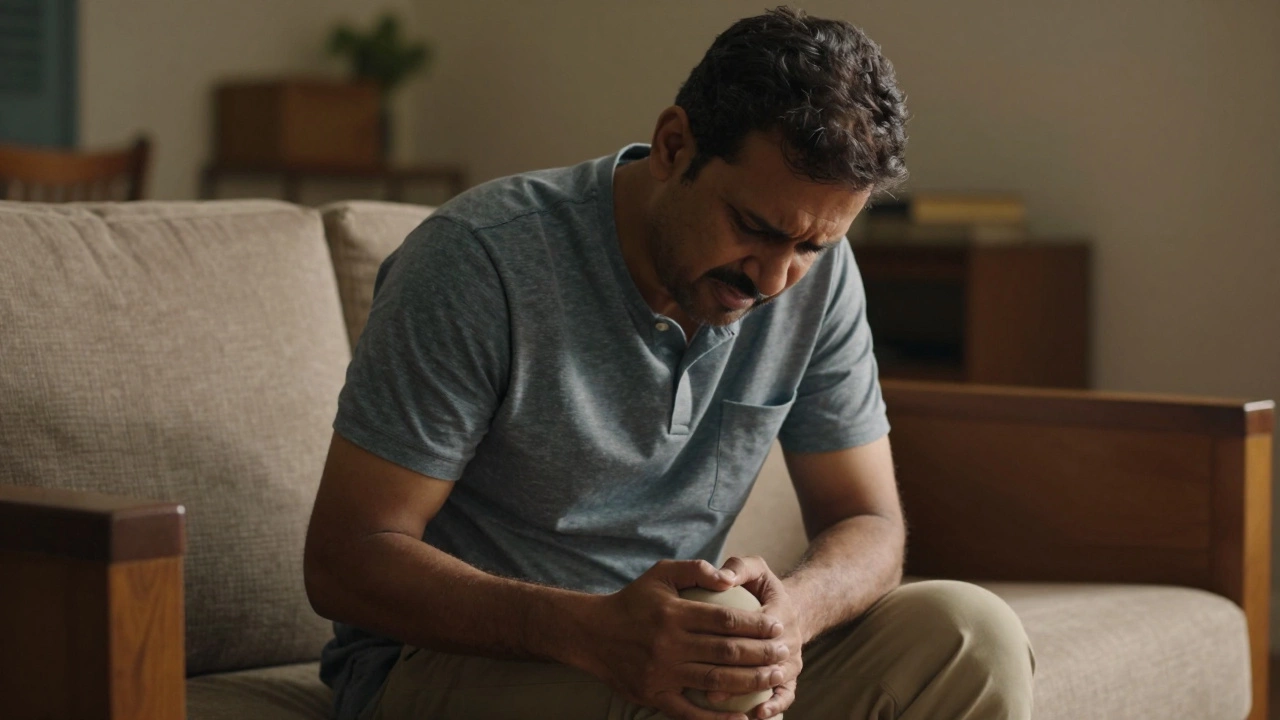
Deciding to get knee surgery is never easy. Many patients sit on the fence for months or even years, hoping pain will fade or that a new pill might fix the problem. But Knee Replacement Surgery is a major orthopedic procedure where damaged joint surfaces are replaced with artificial implants. When you delay this intervention, your body undergoes specific changes that can make the eventual surgery harder and recovery longer. Waiting isn't just about enduring pain; it changes the physical landscape of your knee and surrounding muscles.
The Biological Cost of Waiting
Your knee joint isn't static. It is a dynamic structure that responds to stress and inflammation. When you have severe Osteoarthritis is a degenerative joint disease that causes cartilage breakdown and bone-on-bone friction, the damage continues to progress. If you wait too long, the cartilage wears down completely. This leads to bone spurs forming on the edges of the joint. These spurs, known as osteophytes, make the knee stiff and difficult to bend.
Bone density also suffers during long periods of inactivity or altered walking patterns. When you limp to avoid pain, you put uneven stress on the bone. Over time, this can lead to cysts forming inside the bone or areas of softening called subchondral sclerosis. Surgeons often find that patients who wait years have more complex bone structures to work with. This complexity can require more precise cutting and sometimes the use of special implants designed for bone loss.
Muscle Atrophy and Strength Loss
One of the most significant consequences of delaying surgery is muscle loss. The quadriceps muscle, located at the front of your thigh, is crucial for knee stability. When pain limits your movement, this muscle shrinks. This process is called atrophy. Studies show that patients who wait over two years for surgery often lose significant muscle mass compared to those who operate sooner.
- Weak quadriceps make it harder to stand up from a chair.
- Reduced strength increases the risk of falls before surgery.
- Rebuilding muscle after surgery takes much longer if you start from a weak baseline.
Imagine trying to climb a hill with one leg that feels like jelly. That is the reality for many who wait. The muscle doesn't just disappear; the nerves controlling it can become less responsive. This means even after the new joint is in place, the muscle might not fire correctly to support it. Pre-habilitation becomes harder because the pain prevents you from exercising effectively.
Chronic Pain Cycles and Mobility Issues
Pain is not just a symptom; it is a cycle. When you avoid moving your knee to stop the pain, the joint becomes stiffer. Stiffness causes more pain when you finally try to move it. This creates a feedback loop that is hard to break. Patients often report that after waiting, their pain becomes constant rather than just happening after activity. This constant pain can lead to reliance on stronger pain medications, which come with their own side effects.
Mobility restrictions expand beyond the knee. You might start avoiding stairs, leading to a sedentary lifestyle. This affects your heart health and weight management. Gaining weight puts even more pressure on the damaged knee. It becomes a vicious circle where weight gain worsens the knee, and the bad knee prevents the exercise needed to lose weight. Early intervention breaks this cycle before it locks you into a low-mobility lifestyle.
Increased Surgical Risks and Complications
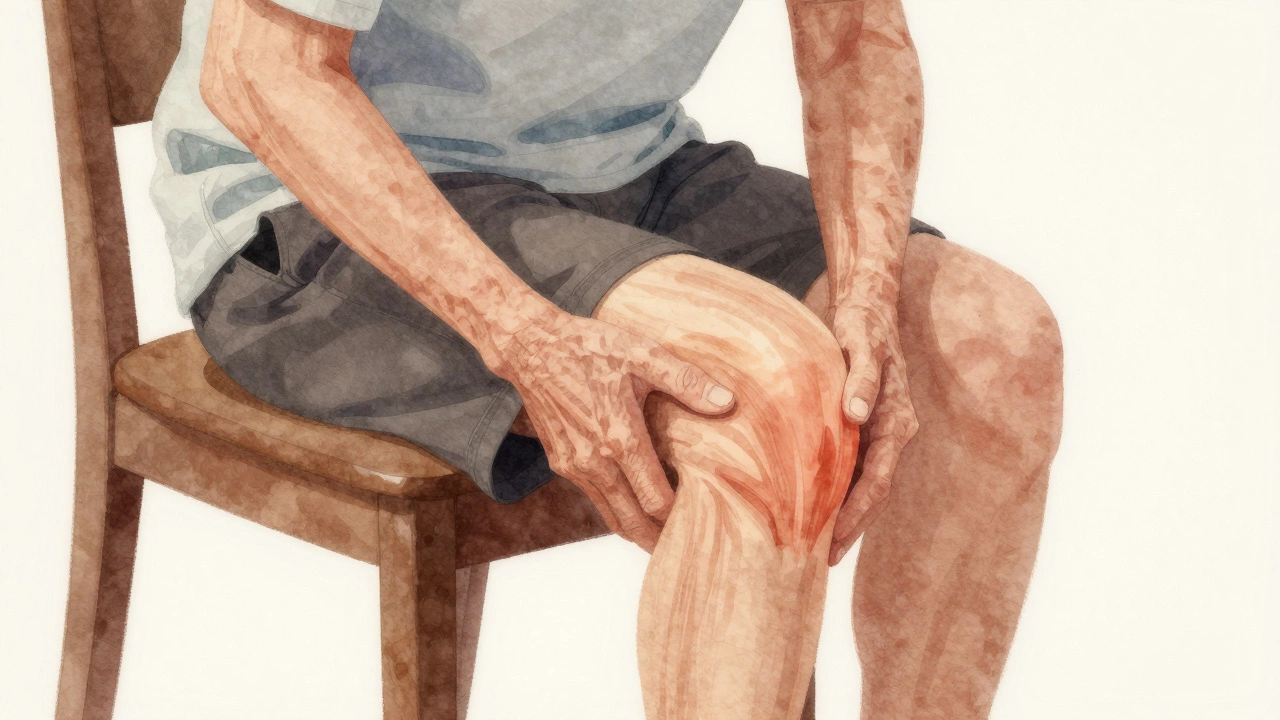
Surgeons prefer to operate before the damage becomes severe. When you wait, the risk profile of the surgery changes. The likelihood of complications, such as infection or implant loosening, can increase. This isn't because the surgery is riskier by nature, but because the surrounding tissue is less healthy. Scar tissue from years of inflammation can make the surgical site more prone to issues.
| Factor | Early Intervention | Delayed Intervention |
|---|---|---|
| Bone Quality | Generally stable | Often degraded with cysts |
| Muscle Strength | Preserved | Significant atrophy common |
| Recovery Time | Typically 3-6 months | Can extend to 9-12 months |
| Implant Longevity | Standard expectancy | May face earlier wear due to alignment issues |
Complex deformities in the knee require more surgical time. Longer time in the operating room increases exposure to potential infection risks. Additionally, severe deformity can make achieving perfect alignment difficult. If the implant isn't aligned perfectly, it might wear out faster or cause pain later. Surgeons have better tools now, but they work best with joints that haven't collapsed completely.
Rehabilitation Challenges After the Wait
Physical therapy is the key to a successful knee replacement. However, the effectiveness of rehab depends heavily on your starting point. If you have waited too long, your range of motion might be severely limited. You might not be able to bend your knee past 90 degrees before surgery. Getting past that point after surgery becomes a major hurdle.
Recovery isn't just about the incision healing; it is about relearning how to walk. Patients who have been limping for years develop bad habits. Their brain has learned to protect the knee by avoiding full weight-bearing. Retraining the brain and body to trust the new joint takes patience and effort. Those who waited often need more intensive therapy sessions and might require assistive devices like walkers for longer periods.

Impact on Quality of Life and Mental Health
The toll of waiting extends beyond the physical. Living with chronic pain affects your mood and sleep. You might feel isolated because you can't join friends for walks or travel easily. This isolation can lead to depression or anxiety. The anticipation of surgery can become a source of stress itself. Knowing you could be pain-free but choosing to wait creates a mental burden.
Quality of life metrics drop significantly with delayed treatment. Simple tasks like grocery shopping or playing with grandchildren become major events. Restoring function early allows you to enjoy life during your active years. Waiting until you are older means you spend more years in pain and fewer years enjoying the benefits of the new knee.
Signs It Is Time to Act
How do you know if you are waiting too long? Listen to your body. If pain wakes you up at night, that is a strong signal. If you rely on a cane or walker for short distances, the joint is struggling. When over-the-counter painkillers stop working, medical intervention is usually necessary. Do not wait until you are bedbound. Surgeons see better results when patients act while they are still mobile.
Consult with an orthopedic specialist to get a realistic timeline. They can assess your bone quality and muscle strength. They will tell you if the risks of waiting outweigh the benefits. Modern techniques allow for faster recovery, but they still require a foundation of healthy tissue. Don't let fear of the procedure dictate your health for years to come.
Frequently Asked Questions
Does waiting for knee surgery make the pain worse?
Yes, delaying surgery often leads to increased pain levels. As cartilage wears away completely, bone rubs against bone, causing inflammation and chronic pain that medications may not control effectively.
Can muscle loss from waiting be reversed after surgery?
Muscle can be rebuilt through physical therapy, but it takes longer. Patients who waited often need more intensive rehab to regain the strength they lost during the period of inactivity.
Is it harder to recover if I wait five years?
Recovery can be more challenging after five years. Bone deformities and severe muscle atrophy may require longer hospital stays and extended rehabilitation compared to earlier surgery.
Will my knee implant last longer if I wait?
Waiting does not necessarily make the implant last longer. In fact, severe damage can make implant alignment harder, potentially affecting longevity. Early surgery often allows for better positioning.
What are the risks of operating on a very damaged knee?
Risks include higher chance of infection, longer surgery time, and potential need for bone grafts. The surrounding tissue quality is lower, which can impact healing and stability.
 What Is the Most Common Orthopedic Emergency? A Deep Dive into Fractures
 Surgery with the Longest Recovery Time: What You Need to Know
 Understanding the Difference Between Holistic and Homeopathic Medicine
 Do You Carry Your Own Baby with IVF?
 Is Medical Tourism Safe in Mexico? What You Need to Know Before You Go