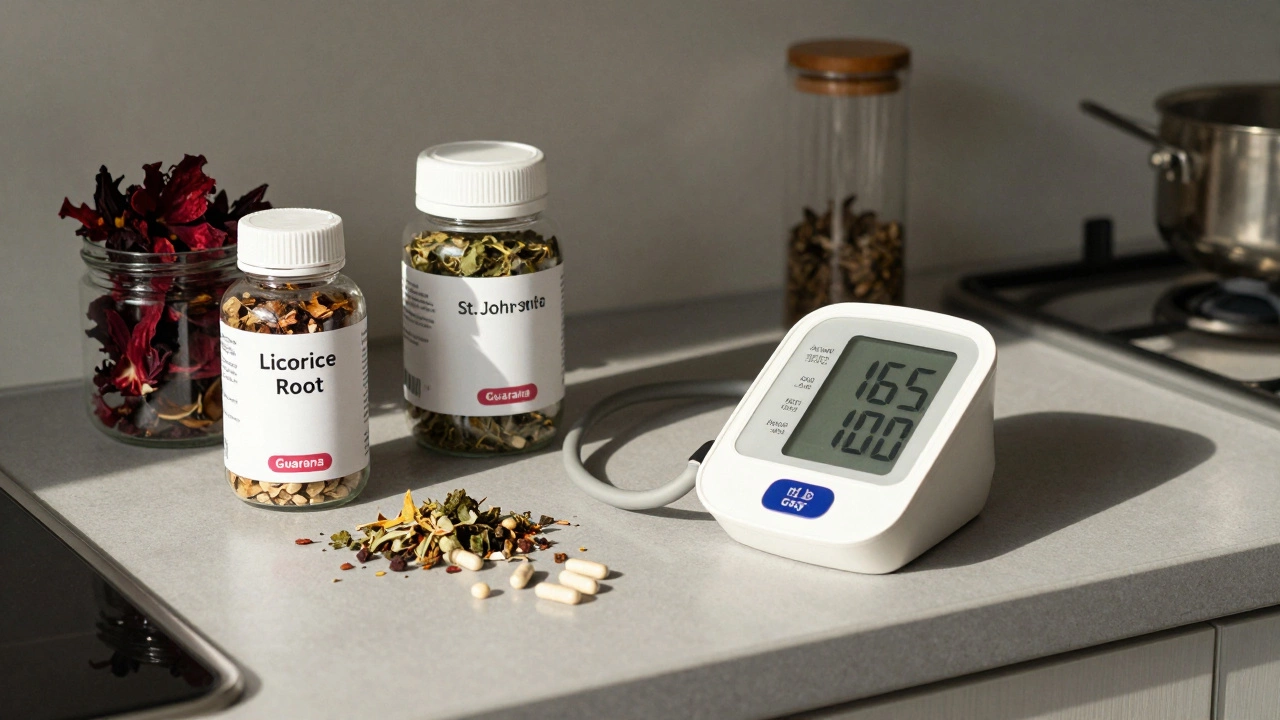
Hypertension and Herbs: Natural Ways to Manage High Blood Pressure
When you have hypertension, a condition where the force of blood against artery walls stays too high over time. Also known as high blood pressure, it’s silent, common, and often untreated until something serious happens. In India, nearly one in three adults has it—and many are turning to herbs not as a replacement for medicine, but as a real, daily support. This isn’t wishful thinking. Studies from the Indian Journal of Pharmacology and the WHO’s traditional medicine reports show certain herbs can help lower blood pressure, reduce stress, and improve circulation when used correctly.
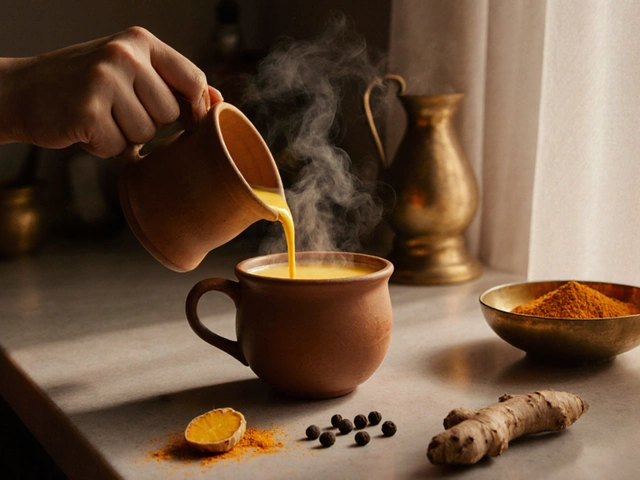
Herbs like turmeric, a root with powerful anti-inflammatory compound curcumin, are used daily in Indian kitchens and now backed by clinical trials showing they help relax blood vessels. Then there’s ashwagandha, an adaptogen that lowers cortisol, the stress hormone that spikes blood pressure. And holy basil, also called tulsi, a sacred plant in Ayurveda known to reduce oxidative stress and improve heart rhythm. These aren’t magic pills. They work slowly, over weeks, and only if you use them consistently—like adding salt to food, not taking a pill at midnight.
But here’s the catch: not all herbs are safe for everyone. If you’re already on blood pressure meds, some herbs can make your pressure drop too low. Others might interfere with liver enzymes or thin your blood. That’s why Ayurveda doesn’t just say "take this herb"—it looks at your body type. A vata person, someone with a nervous, quick-moving constitution might need calming herbs like ashwagandha, while a pitta person, with a fiery metabolism and tendency toward inflammation, might benefit more from cooling herbs like coriander or fennel. The Ayurvedic diet, which matches food to your body type, isn’t just about digestion—it’s a silent tool for managing hypertension too.
You’ll find posts here that cut through the noise. Some explain exactly how turmeric affects nitric oxide levels. Others warn you about the dangers of mixing herbs with prescription drugs. There’s even one that breaks down why some people feel better after switching to a traditional Indian diet rich in lentils, greens, and spices—not because it’s "natural," but because it’s low in salt, sugar, and processed oils. These aren’t stories from a wellness influencer. They’re real experiences, backed by science, and written for people who want to take control without giving up their culture or their daily rituals.