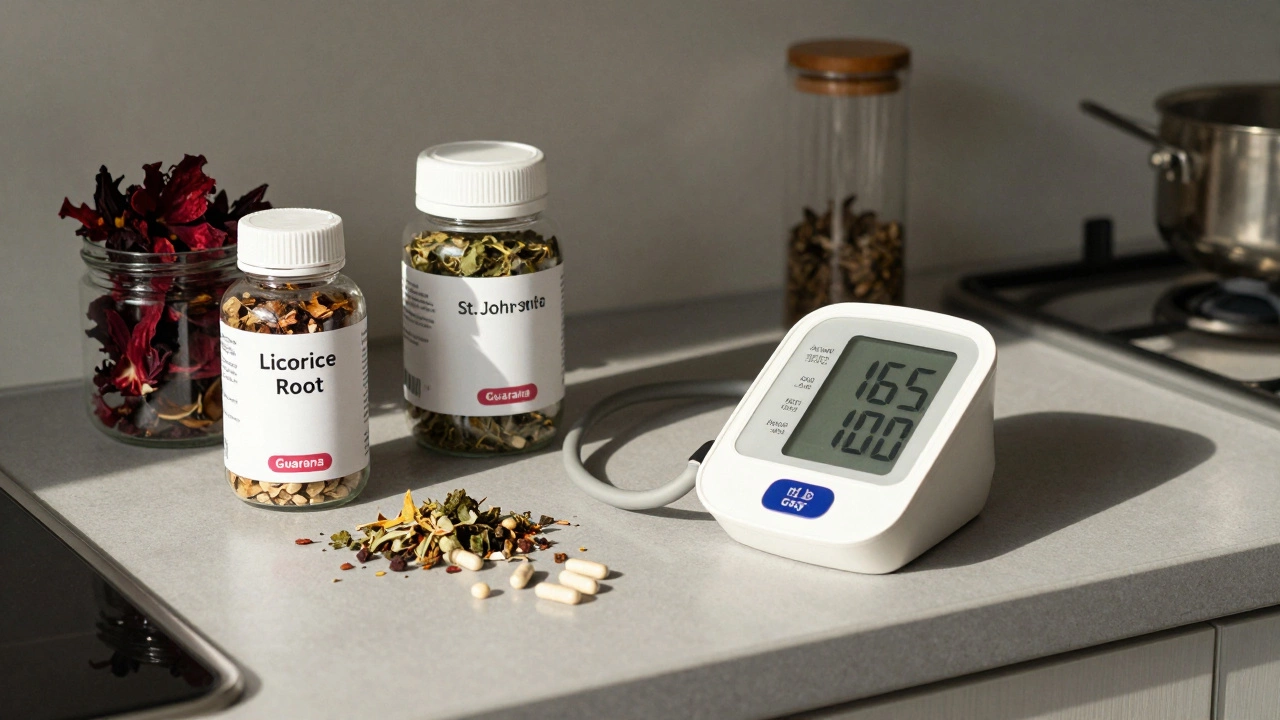
Herbs That Raise Blood Pressure: What You Need to Know
When you think of herbs, you probably picture calming teas, immune boosters, or anti-inflammatory powders. But not all herbs are gentle. Some herbs that raise blood pressure, natural plant-based substances that can increase arterial pressure when consumed regularly. Also known as natural blood pressure boosters, these herbs can interfere with medications or worsen existing hypertension—especially if you’re unaware they’re even in your supplement or tea. Many people assume ‘natural’ means ‘safe,’ but that’s not true when it comes to blood pressure. Your body doesn’t care if something comes from a plant or a pharmacy—it reacts to the chemicals inside.
Take licorice root, a popular herb in Ayurveda and traditional medicine used for digestion and stress relief. Also known as Glycyrrhiza glabra, it contains glycyrrhizin, a compound that tricks your kidneys into holding onto salt and water, which directly increases blood volume and pressure. Studies show that just a few grams of licorice root daily for a couple of weeks can push blood pressure into dangerous territory. Then there’s ephedra, a stimulant herb once used in weight loss and energy supplements. Also known as Ma Huang, it’s banned in the U.S. but still shows up in some imported herbal blends—it spikes heart rate and blood pressure fast. Even ginseng, a widely used adaptogen for energy and focus. Also known as Panax ginseng, it can act like a mild stimulant and raise blood pressure in sensitive individuals, especially when taken with caffeine or stimulant medications. And don’t forget hawthorn, often praised for heart health, but it can interact unpredictably with blood pressure drugs. Also known as Crataegus, it’s not always the gentle supporter people think it is. These aren’t rare exceptions—they’re common ingredients in Ayurvedic blends, herbal teas, and wellness powders sold online.
If you’re managing high blood pressure—or even just taking medication for it—you need to know what’s in your daily routine. A cup of herbal tea, a capsule labeled ‘immune support,’ or an Ayurvedic powder might be quietly working against your health goals. The good news? You don’t have to avoid all herbs. Many, like turmeric and ashwagandha, are safe and even helpful. But you need to be smart. Always check labels, talk to your doctor before starting anything new, and never assume ‘natural’ equals ‘harmless.’ The list below includes real posts that dig into herbs, Ayurveda, and how your body reacts to what you put in it. You’ll find clear, no-fluff answers on what to use, what to skip, and how to stay in control of your health.