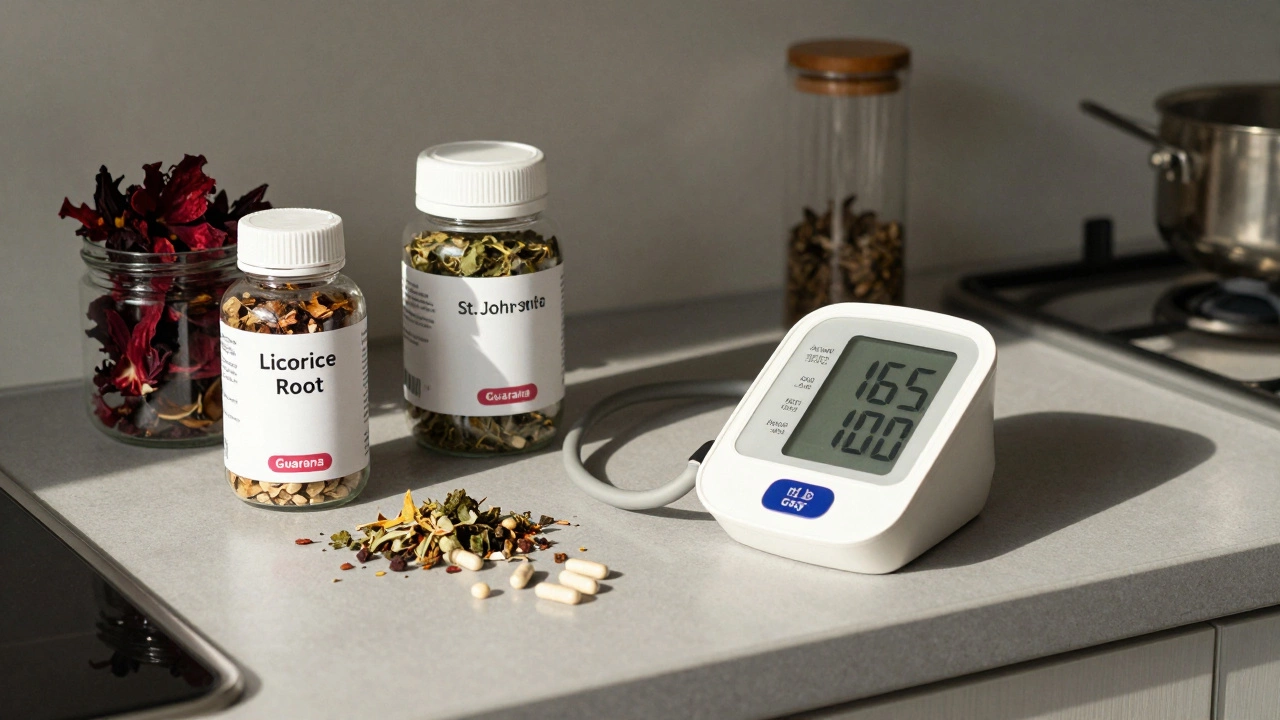
Blood Pressure Increasing Herbs: What Actually Raises Your Numbers
When you think of herbs and blood pressure, you probably imagine turmeric or garlic helping lower it. But not all herbs do that. Some blood pressure increasing herbs, natural substances that can elevate systolic or diastolic readings are sold as "healthy" supplements—especially in Ayurvedic or traditional wellness circles. These aren’t always labeled clearly, and many people don’t realize they’re making their hypertension worse. If you’re on medication for high blood pressure, or even just trying to manage it with diet and lifestyle, these herbs can quietly undo your progress.
Take licorice root, a common ingredient in Ayurvedic teas and digestive remedies. It’s popular for soothing stomach issues and boosting energy, but it contains glycyrrhizin, which can cause sodium retention and potassium loss—both of which spike blood pressure. Then there’s ephedra, a stimulant herb once used in weight-loss products and now banned in many countries, but still found in some unregulated supplements. It acts like adrenaline, tightening blood vessels and forcing the heart to pump harder. Even ginseng, often praised for improving focus and stamina, can raise blood pressure in some people, especially when taken in high doses or combined with caffeine.
It’s not just about the herb itself—it’s about how it interacts with your body. Someone with normal blood pressure might feel fine taking licorice tea daily. But if you’re already hypertensive, or on a beta-blocker or diuretic, that same tea could push your numbers into dangerous territory. And because these herbs are sold as "natural," many assume they’re harmless. They’re not. The same Ayurvedic diet, a system of eating based on body type that helps balance vata or pitta can include herbs that unintentionally raise blood pressure if not matched to your health condition. Just because something is ancient or traditional doesn’t mean it’s safe for everyone.
You’ll find posts here that dig into the real risks of popular supplements, the hidden side effects of herbal remedies, and how Ayurvedic practices can sometimes clash with modern medicine. Some articles will show you what doctors don’t always tell you about herbs and heart health. Others break down how your body reacts when you mix natural remedies with prescription meds. This isn’t about scaring you off herbs—it’s about helping you choose wisely. If you’re trying to lower your blood pressure, you need to know which plants might be working against you. And if you’re managing a chronic condition, that knowledge could be the difference between stability and a hospital visit.