
Realistic Weight Loss Calculator
Calculate Your Safe Weight Loss
Based on CDC and WHO guidelines (1-2 lbs/week)
How It Works
Based on medical guidelines: 1-2 pounds per week is the safe maximum for sustainable fat loss. Losing more increases risks like muscle loss, nutrient deficiencies, and rebound weight gain.
After 30 days: Expect 4-8 pounds lost with safe methods. Faster loss typically includes muscle or water weight that returns.
How many pounds should you lose in 30 days? It’s a question people ask when they’re tired of feeling sluggish, when clothes don’t fit, or when a doctor says their weight is a risk. The internet promises 10, 20, even 30 pounds in a month. But those numbers? They’re not just unrealistic-they can be dangerous. The truth is, weight loss isn’t a race. It’s a reset. And the safest, most lasting results come from losing about 1 to 2 pounds per week. That means 4 to 8 pounds in 30 days-not as flashy as the ads, but far more real.
Why 1 to 2 Pounds Per Week Is the Gold Standard
Health organizations like the CDC, WHO, and the American Heart Association all agree: losing more than 2 pounds per week consistently increases the risk of muscle loss, nutrient deficiencies, and gallstones. Your body doesn’t burn fat like a furnace-it’s a careful, slow system. When you cut calories too hard, your metabolism slows down to conserve energy. You lose water weight fast, sure, but that’s not fat. That’s just your body holding onto less fluid. Within days, that water comes back. What you really want is fat loss that sticks.
Think of it this way: one pound of body fat equals roughly 3,500 calories. To lose one pound a week, you need a daily deficit of about 500 calories. That’s not starvation. That’s swapping soda for water, walking 30 minutes instead of scrolling, and choosing a grilled chicken salad over fries. It’s small changes that add up. Lose 5 pounds in 30 days? That’s a win. Lose 8? That’s excellent. Anything beyond that usually means you’re losing muscle, water, or gut content-not fat.
What Really Happens When You Try to Lose More
People who jump into extreme diets-keto, juice cleanses, meal replacements, or unregulated supplements-often see big numbers on the scale at first. But here’s what no one tells you: most of that initial drop isn’t fat. It’s water, glycogen, and sometimes even muscle. A 2021 study in the Journal of Clinical Nutrition found that rapid weight loss (over 3 pounds per week) led to a 30% greater loss of lean muscle mass compared to gradual loss. That’s bad news because muscle burns calories even when you’re sitting. Lose muscle, and your metabolism tanks. Then, when you go back to normal eating, the weight comes right back.
And then there’s the psychological toll. Crash diets create a cycle of restriction and bingeing. You feel deprived, then you give in, then you feel guilty, then you restrict again. It’s exhausting. People who lose weight slowly are far more likely to keep it off for years. A 10-year follow-up study from the National Weight Control Registry showed that 90% of people who kept off at least 30 pounds lost it gradually-under 1.5 pounds per week.
Who Might Lose More Than 2 Pounds a Week?
There are exceptions. If you’re starting at 300 pounds or more, your body can lose more than 2 pounds a week safely during the first few weeks. That’s because your body has more fat to burn, and your metabolism is working harder just to keep you alive. But even then, the rate should slow down after the first month. A person with severe obesity might lose 3 to 4 pounds in week one, then settle into 1.5 to 2 pounds per week after that.
People under medical supervision-like those in a weight loss clinic using FDA-approved medications or structured meal plans-may also lose more. Medications like semaglutide (Wegovy) or tirzepatide (Zepbound) can help reduce appetite and increase fat burning. But even with these tools, most patients lose 5 to 10% of their body weight over 12 to 16 weeks. That’s still about 1 to 2 pounds per week on average. These aren’t magic pills. They’re tools that work best with diet, movement, and behavior change.
What You Should Actually Focus On
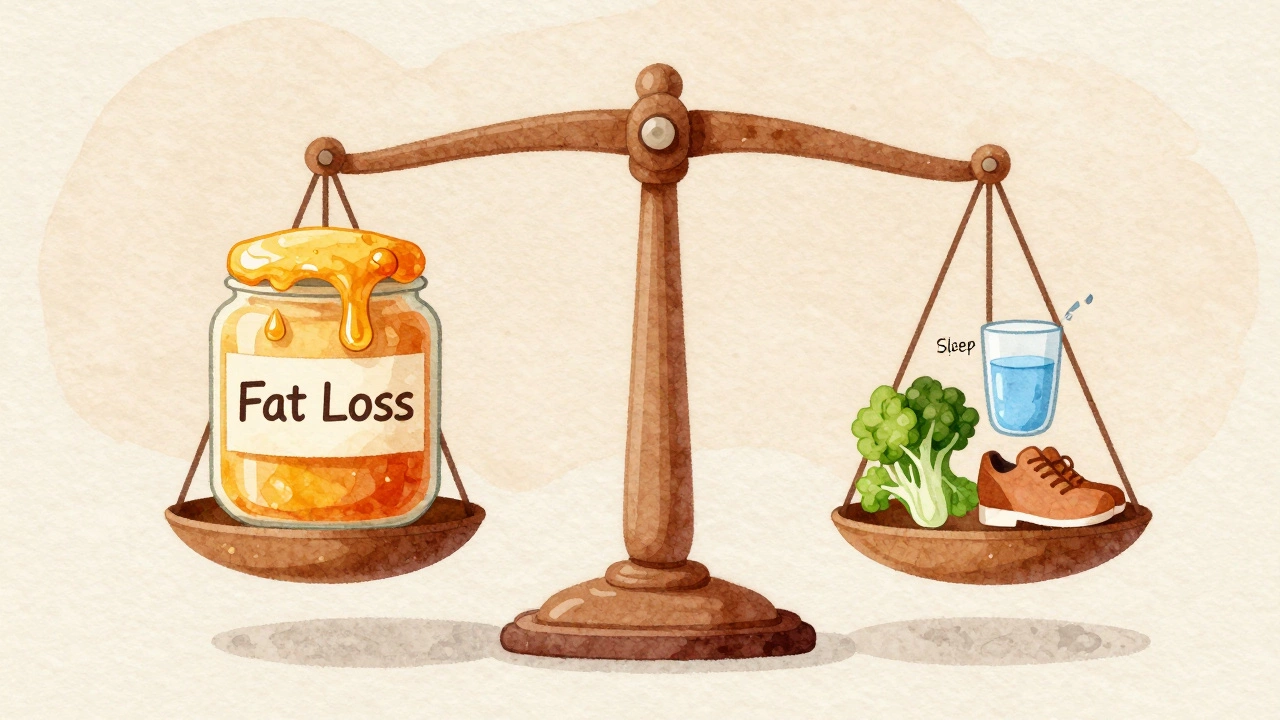
Instead of fixating on the scale, track these five things:
- How your clothes fit-fabric stretches differently when fat decreases and muscle stays
- Energy levels-are you tired all day or do you feel like moving?
- Sleep quality-better sleep helps regulate hunger hormones
- Waist measurement-losing belly fat matters more than total pounds
- Strength and endurance-can you climb stairs without breathing hard?
These are better indicators of health than a number on a scale. Two people can lose the same amount of weight, but one loses belly fat and gains muscle, while the other loses muscle and water. Only one is getting healthier.
What to Avoid in a Weight Loss Clinic
Not all clinics are created equal. Some push expensive supplements, detox teas, or unproven injections. Ask yourself:
- Do they test your blood work before starting?
- Do they offer personalized meal plans or just a one-size-fits-all diet?
- Do they include counseling or behavior coaching?
- Are their medications FDA-approved and prescribed by a licensed doctor?
Legitimate clinics don’t promise miracles. They map out a 3- to 6-month plan. They check your thyroid, insulin levels, and vitamin D. They don’t sell you a $200 shake. They teach you how to eat real food-vegetables, lean protein, whole grains-and move your body in ways you enjoy.

Realistic Expectations for 30 Days
Here’s what a healthy 30-day weight loss journey looks like:
- Week 1: Lose 1-2 pounds. You’re adjusting. Hunger might be high. Drink more water.
- Week 2: Lose another 1-2 pounds. Your body starts burning fat more efficiently.
- Week 3: Plateau? Don’t panic. This is normal. Focus on sleep and stress.
- Week 4: Lose 1-2 more pounds. You’re building habits, not just losing weight.
That’s 4 to 8 pounds total. No extreme hunger. No energy crashes. No rebound weight gain. You’ve changed how you live.
What Comes After 30 Days?
Thirty days is a start-not an endpoint. Real transformation takes months. After the first month, aim for 1 to 2 pounds per week for the next 3 to 6 months. That’s 12 to 48 pounds lost. And if you’ve built habits like walking daily, cooking at home, and sleeping well, you’ll keep it off. That’s the difference between a diet and a lifestyle.
Weight loss clinics aren’t shortcuts. They’re support systems. The best ones don’t just give you a plan-they teach you how to live differently. And that’s worth more than any number on a scale.
 Understanding the Various Types of Heart Surgery Procedures in 2025
 IVF Cost in the USA: Real Numbers, Hidden Fees, and Budgeting Tips
 The Number One Rule of Surgery: Precision in Orthopedics
 CVS or Walgreens: Which Pharmacy Is Better for Your Prescriptions?
 Can My Nerve Damage Be Repaired? What You Need to Know Now