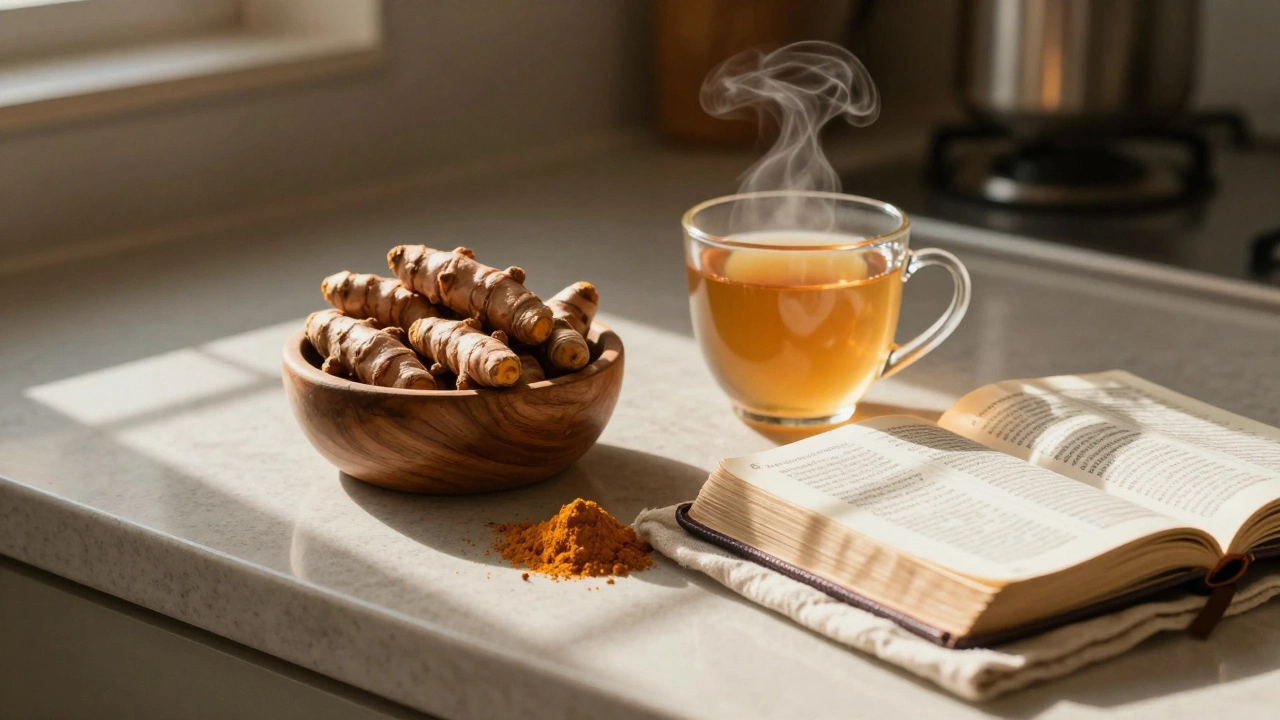
Many Christians wonder if it’s okay to take herbs-whether for sleep, digestion, stress, or general wellness. They’ve heard sermons about trusting God for healing, seen friends avoid medicine entirely, or read verses like ‘Heal me, O Lord, and I will be healed’ (Jeremiah 17:14). But what about turmeric for inflammation? Ashwagandha for anxiety? Ginger for nausea? The question isn’t about whether herbs work-it’s about whether using them conflicts with faith.
Herbs Are Not Magic, They’re Creation
The Bible never says herbs are evil. In fact, it says the opposite. Genesis 1:29 tells us God gave humans ‘every plant yielding seed’ and ‘every tree with seed in its fruit’ for food. That includes medicinal plants. Herbs like myrrh, frankincense, and hyssop were used in ancient Israel for healing, purification, and worship. These weren’t pagan rituals-they were part of God’s created order. Modern herbal supplements are just refined versions of what people have used for thousands of years. Turmeric contains curcumin, a compound proven to reduce joint pain. Lemon balm lowers cortisol. Valerian root helps with sleep-just like melatonin, but naturally. These aren’t replacements for God; they’re tools He made available through His creation.What the Bible Actually Says About Healing
Some Christians avoid herbs because they fear relying on anything but prayer. But the Bible doesn’t pit faith against medicine. When King Hezekiah was sick, Isaiah told him to apply a poultice of figs (2 Kings 20:7). Jesus didn’t scold people for using oil to heal the sick-he instructed His disciples to do it (Mark 6:13). Paul told Timothy to take a little wine for his stomach issues (1 Timothy 5:23). These aren’t exceptions-they’re examples of God working through natural means. Healing isn’t a miracle only when it happens instantly. Healing happens when your body repairs itself with rest, nutrition, and the right support. Herbs can be part of that process. Trusting God doesn’t mean refusing help-it means recognizing that help comes from Him, even when it comes in the form of a capsule or tea.What to Avoid: Superstition, Not Supplements
There’s a line between using herbs and embracing practices that contradict Christian beliefs. Don’t use herbs tied to occult rituals, spirit offerings, or beliefs in magical powers. If a supplement comes with instructions to chant, burn incense, or invoke deities, walk away. That’s not herbal medicine-it’s syncretism. Also avoid companies that market herbs as ‘divine remedies’ or claim they ‘replace prayer.’ That’s spiritual manipulation. Herbs don’t have spiritual power-they have biochemical effects. A good supplement label lists ingredients, dosage, and scientific backing-not mystical promises. In India, where ayurvedic herbs like ashwagandha and tulsi are common, many Christians use them safely. They take them as they would a vitamin-not as a spiritual act, but as a health choice. That’s perfectly biblical.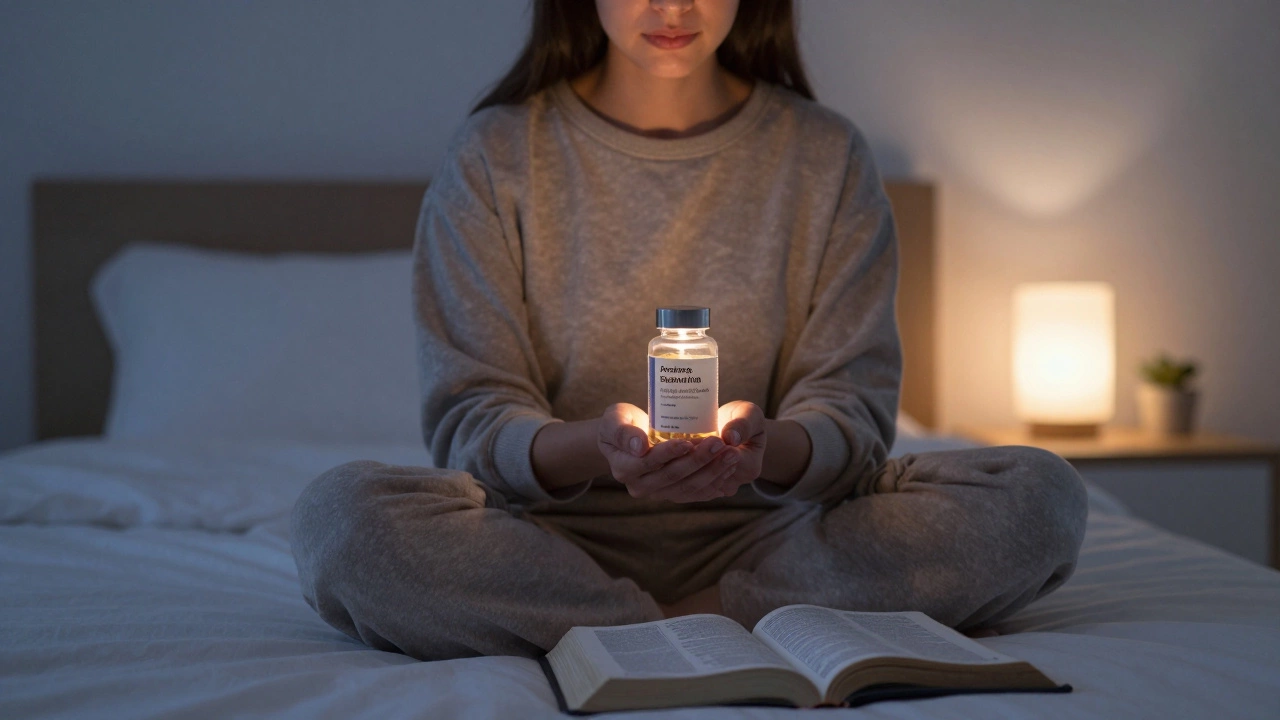
How to Choose Safe Herbal Supplements
Not all herbs are safe. Some interact with medications. Others are poorly regulated. Here’s how to pick wisely:- Look for third-party testing. Choose brands with USP, NSF, or GMP certification. These mean the product was independently verified for purity and potency.
- Check the active ingredient. Don’t buy ‘herbal blends’ with 10 unknown extracts. Know what you’re taking. For example, 500mg of standardized ashwagandha root extract is better than ‘ashwagandha powder’ with no dosage.
- Read reviews from real users. Look for testimonials from people with similar health goals-not influencers selling dreams.
- Ask your doctor. Especially if you’re on blood thinners, thyroid meds, or antidepressants. St. John’s Wort, for example, can interfere with SSRIs.
Common Herbs Christians Use (and Why)
Here are a few popular herbs, backed by science, that many Christians safely use:| Herb | Common Use | Scientific Support | Christian-Friendly? |
|---|---|---|---|
| Turmeric (Curcumin) | Joint pain, inflammation | Over 150 clinical studies show reduced pain in arthritis patients | Yes |
| Ashwagandha | Stress, anxiety, sleep | Reduces cortisol by up to 30% in multiple randomized trials | Yes |
| Ginger | Nausea, digestion | As effective as anti-nausea drugs for morning sickness and chemo | Yes |
| Lemon Balm | Anxiety, restlessness | Improves calmness and focus in adults with mild stress | Yes |
| St. John’s Wort | Mild depression | Comparable to low-dose SSRIs in trials-but interacts with many meds | Yes, with caution |
| Echinacea | Cold prevention | May reduce cold duration by 1-2 days | Yes |
When to Skip Herbs
Not everyone should take herbs. Avoid them if:- You’re pregnant or breastfeeding (some herbs like black cohosh or sage can be risky)
- You’re about to have surgery (herbs like garlic or ginkgo can thin blood)
- You have liver disease or autoimmune conditions
- You’re on prescription meds without checking for interactions

Prayer and Herbs Are Not Opposites
One of the biggest myths is that prayer and herbs compete. They don’t. Prayer is your connection to God. Herbs are your body’s support system. You can pray for healing while taking ginger for your stomach. You can ask God for peace while using ashwagandha to calm your nerves. One doesn’t cancel the other. Think of it like food. You don’t say, ‘I trust God for energy, so I won’t eat breakfast.’ You eat because God gave you digestion-and He gave you the science of nutrition too. Herbs work the same way.Final Thought: Wisdom Over Fear
The Bible calls us to be wise stewards of our bodies (1 Corinthians 6:19). That means caring for them with knowledge, not fear. If you’re afraid of herbs because you think they’re ‘worldly,’ ask yourself: Is it the herb-or the mindset behind it-that’s the problem? God created the earth to provide. He gave us intelligence to understand how His creation works. Using herbs isn’t a lack of faith. It’s a sign of wisdom. Start small. Try one herb. Track how you feel. Talk to your pastor or a trusted Christian healthcare provider. And remember-God doesn’t expect you to suffer needlessly. He gave you herbs. He gave you prayer. He gave you both for a reason.Is it a sin for Christians to take herbal supplements?
No, it’s not a sin. The Bible doesn’t forbid herbs. In fact, God created plants for healing and nourishment (Genesis 1:29). Using herbs as medicine is no different than using antibiotics or pain relievers-it’s using God’s creation wisely. Sin would only be involved if herbs were used in rituals that contradict Christian beliefs, like invoking spirits or relying on them as magical substitutes for God.
Can herbs replace prayer or faith in God’s healing?
Herbs cannot replace prayer or faith-they can only support your body while you trust God. Prayer is spiritual; herbs are physical. You can pray for healing while taking turmeric for joint pain. God often works through natural means. Refusing all help because you think it shows a lack of faith is actually a misunderstanding of biblical trust. Trusting God doesn’t mean ignoring the tools He provided.
Are all herbal supplements safe for Christians?
No. Safety depends on two things: the product and the belief behind it. Some supplements are contaminated or falsely labeled. Others come with spiritual claims-like ‘energy cleansing’ or ‘spiritual protection’-that are incompatible with Christian faith. Stick to brands with third-party testing and avoid anything tied to occult practices. The herb itself isn’t dangerous; the context is.
What herbs should Christians avoid?
Avoid herbs used in pagan rituals, such as those tied to witchcraft, spirit offerings, or New Age practices. Also avoid herbs with dangerous interactions-like St. John’s Wort with antidepressants, or valerian with sedatives. Pregnant women should avoid black cohosh, pennyroyal, or high-dose sage. Always consult a doctor before starting any new supplement, especially if you have chronic conditions or take prescription meds.
Do Christian doctors recommend herbal supplements?
Many do. Christian integrative medicine doctors in the U.S., Europe, and India regularly recommend herbs like turmeric, ginger, and ashwagandha for inflammation, stress, and sleep. They see herbs as part of God’s created healing system, not as alternatives to faith. The key is using them responsibly-with medical guidance and without spiritual superstition.
How do I know if a herbal product is right for me?
Start by identifying your goal: better sleep? Less anxiety? Easier digestion? Then look for herbs with strong scientific backing for that use. Choose products with clear labeling, third-party testing, and no spiritual claims. Talk to a Christian healthcare provider. Track your symptoms for 2-4 weeks. If you feel better and experience no side effects, it’s likely a good fit. If not, stop and reassess.
Next Steps for Christians Considering Herbs
If you’re ready to explore herbs safely:- Write down one health issue you want to address-like poor sleep or chronic stress.
- Research one herb proven to help that issue (e.g., ashwagandha for stress).
- Find a reputable brand with USP or NSF certification.
- Check for interactions with any medications you take.
- Start with the lowest recommended dose.
- Pray about it, then try it for four weeks.
- Journal how you feel. Talk to your doctor or pastor.
 Who Should Avoid Dental Implants? Know the Key Risks and Alternatives
 Best Treatments for an Aging Face: Expert-Backed Solutions
 Understanding Chemotherapy's Impact on Long-Term Recovery
 Does Walking Burn Belly Fat?
 How Long to Walk Again Post-Total Knee Replacement