
IVF Health Risk Comparison Tool
How do IVF babies compare to naturally conceived babies?
This tool compares health outcomes using data from over 1.2 million children across multiple international studies.
Birth Defects
Prematurity (Preterm Birth)
Low Birth Weight
Neurodevelopmental Conditions
Rare Genetic Disorders
Long-Term Health
Key Takeaways
Modern IVF is safer than ever thanks to single embryo transfers (reducing twins by 60%), AI embryo selection, and better prenatal care.
Risks are primarily linked to multiple pregnancies and maternal factors like age or health conditions—not the IVF process itself.
Choosing a clinic that prioritizes single embryo transfers dramatically reduces risks. Follow your doctor's recommendations for prenatal vitamins and healthy habits.
When couples turn to IVF to build their family, one question hangs heavy in the background: Are IVF babies just as healthy? It’s not just about getting pregnant-it’s about knowing your child will grow up strong, without hidden risks. Many parents worry about birth defects, chronic illnesses, or developmental delays. The truth? Decades of research now give us clear answers-and they’re more reassuring than most people think.
IVF babies aren’t more likely to have birth defects
A common fear is that IVF increases the chance of congenital abnormalities. But large-scale studies, including one from the Journal of the American Medical Association in 2023 tracking over 1.2 million children, show no major difference in major birth defects between IVF-conceived babies and those conceived naturally. The rate is about 3% to 4% in both groups. That’s within the normal range for any pregnancy. Some small increases in certain rare conditions-like heart defects or cleft lip-were seen in early studies. But those were mostly linked to older maternal age, multiple pregnancies (twins or triplets), or underlying infertility itself-not the IVF process. Today, clinics avoid multiple embryo transfers unless necessary, and most IVF cycles now use single embryo transfers. That’s cut twin rates by over 60% since 2015, bringing risks closer to natural conception.What about premature birth and low birth weight?
This is where IVF does show a slight difference. Babies born after IVF are about 1.5 times more likely to be born preterm (before 37 weeks) or have low birth weight. But here’s the key detail: most of this risk comes from multiple pregnancies. When you look at single IVF babies-just one baby per pregnancy-their risk of prematurity is almost identical to naturally conceived singletons. A 2024 study from the European Society of Human Reproduction and Embryology analyzed 85,000 singleton IVF births. It found no significant difference in average birth weight or gestational age compared to natural conception. The slight edge in risk? It’s tied to the fact that women undergoing IVF are often older or have conditions like PCOS or endometriosis, which can affect pregnancy independently of the procedure.Do IVF children have higher rates of chronic illness?
Parents often worry about asthma, diabetes, or autism. Let’s look at the data. A 15-year follow-up study of over 10,000 Swedish children, published in 2022, found no increased risk of childhood asthma, type 1 diabetes, or cancer in IVF-conceived kids. Autism rates were also nearly identical. A large U.S. cohort study from the CDC in 2023 confirmed this: IVF children had the same likelihood of developing ADHD, obesity, or epilepsy as their peers. There’s one exception: a very small increase in certain rare imprinting disorders-like Beckwith-Wiedemann syndrome. But these are extremely rare, affecting fewer than 1 in 4,000 IVF births. The absolute risk is still far lower than everyday dangers like car accidents or falls.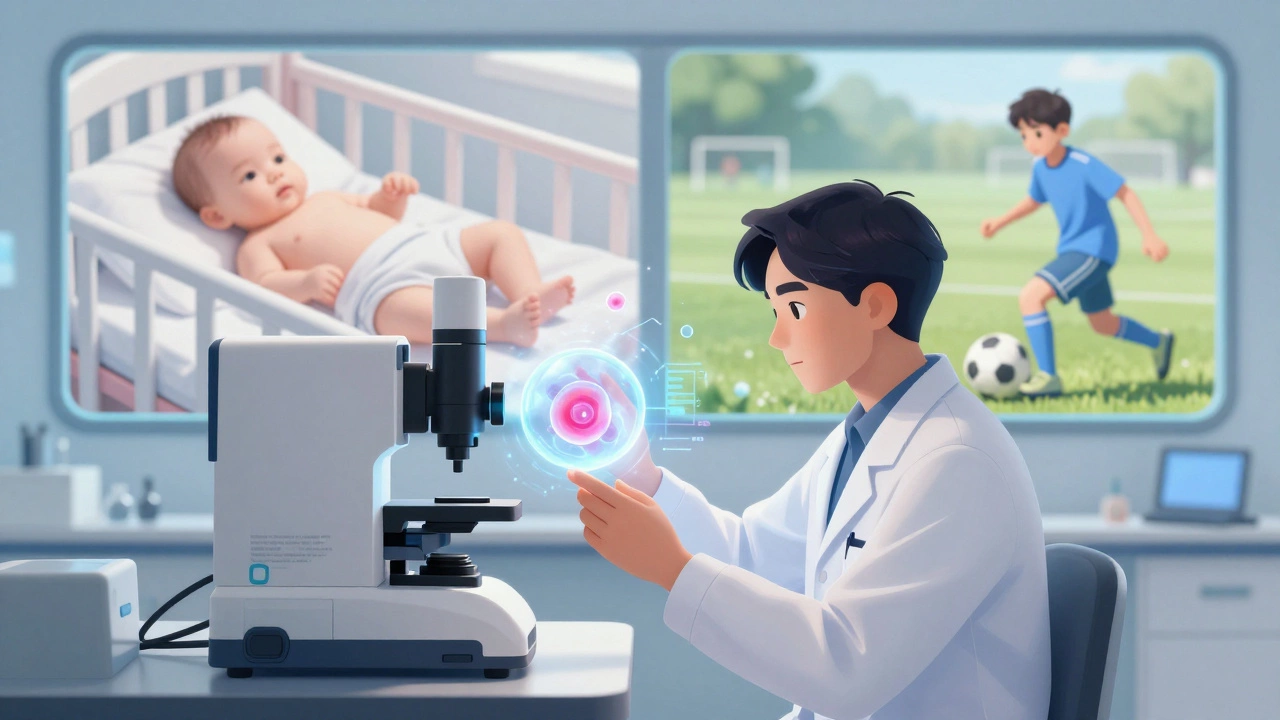
Long-term development: Do IVF kids catch up?
Will they do well in school? Will they reach milestones on time? Parents want to know if their child will be different. A landmark 2025 study from the University of Melbourne tracked 1,200 IVF children into their teenage years. Researchers tested cognitive skills, emotional development, social behavior, and academic performance. The results? No meaningful differences. IVF kids scored just as high on IQ tests, reading comprehension, and problem-solving tasks. They were just as likely to make friends, join sports teams, or report high life satisfaction. Even in countries with strict long-term monitoring, like the Netherlands and Australia, IVF children show the same levels of educational achievement and mental health outcomes as naturally conceived peers. One study even found IVF teens were slightly more likely to report feeling close to their parents-possibly because they were so deeply wanted.Why the myths persist
If the science is this clear, why do people still worry? Partly because early IVF babies-born in the 1980s and 90s-were few, and early studies had small sample sizes. Partly because media loves a scary headline: “IVF Baby Has Rare Disorder!” But those cases are outliers, not patterns. Another reason: IVF often follows years of struggle. Parents are hyper-aware of every bump in the road. A cold, a sleepless night, a late talker-it all feels bigger. But when you compare large groups, statistically, IVF children aren’t more vulnerable.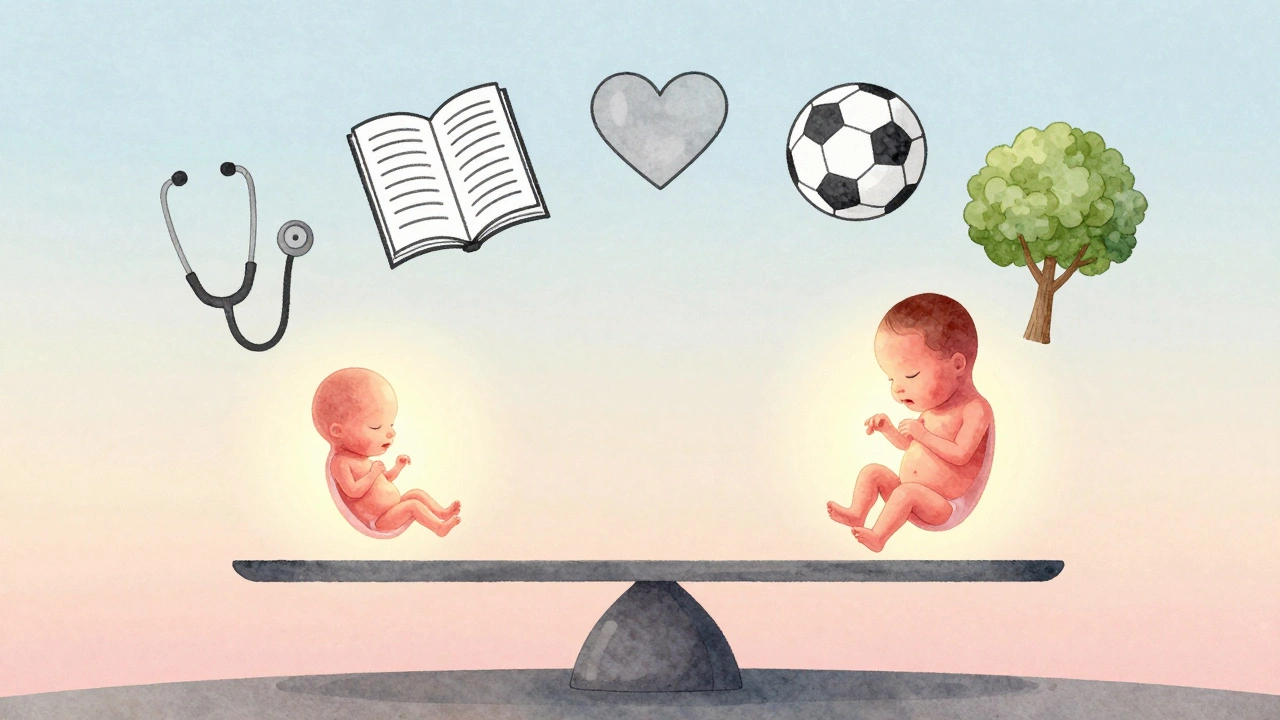
What can parents do to maximize health?
The best way to ensure a healthy IVF baby? The same as for any pregnancy:- Take prenatal vitamins with folic acid before and during pregnancy
- Avoid smoking, alcohol, and recreational drugs
- Maintain a healthy weight-both before and during pregnancy
- Get regular prenatal care, including genetic screening if recommended
- Choose a clinic that follows single embryo transfer guidelines
Final answer: Yes, IVF babies are just as healthy
After 45 years of IVF use and millions of births worldwide, the evidence is overwhelming. IVF-conceived children are not at higher risk for most health problems. They grow up healthy, smart, and emotionally resilient. The slight increases in prematurity or rare syndromes are tied to factors we can control-like avoiding multiple pregnancies and managing maternal health. If you’re considering IVF, let the data ease your mind. Your child’s health won’t be defined by how they were conceived-but by the care you give them before and after birth.Are IVF babies more likely to have birth defects?
No, IVF babies are not more likely to have major birth defects. Large studies tracking over a million children show the rate is 3%-4%, the same as in naturally conceived babies. Any small increase in rare conditions is mostly linked to older maternal age or multiple pregnancies-not the IVF procedure itself.
Do IVF children have higher rates of autism or ADHD?
No. Multiple studies, including a 2023 CDC analysis of over 200,000 children, found no increased risk of autism, ADHD, or other neurodevelopmental disorders in IVF-conceived children compared to those conceived naturally.
Is IVF safer now than it was 20 years ago?
Yes. Modern IVF uses single embryo transfers in over 80% of cases, reducing twin pregnancies by more than 60%. Improved embryo selection using AI and time-lapse imaging also lowers the risk of chromosomal abnormalities. Overall, IVF is safer, more precise, and has better outcomes today.
Do IVF kids have worse mental health or social outcomes?
No. Long-term studies from Sweden, Australia, and the U.S. show IVF children have the same levels of emotional well-being, social skills, and life satisfaction as their peers. Some studies even suggest they report stronger family bonds, possibly due to the intentional nature of their conception.
Can lifestyle choices reduce IVF risks?
Absolutely. Taking folic acid before conception, avoiding smoking and alcohol, maintaining a healthy weight, and choosing a clinic that follows single-embryo transfer guidelines can significantly reduce risks. These steps matter more than the IVF process itself.
 Is Ashwagandha Safe? What You Really Need to Know Before Taking It
 Foods That Should Not Be Eaten Together According to Ayurveda
 What Is the Number 1 Unhealthy Food in the World?
 Understanding the Most Aggressive Cancer Types
 Inspiring Stories of Stage 4 Cancer Survivors: Breaking the Odds