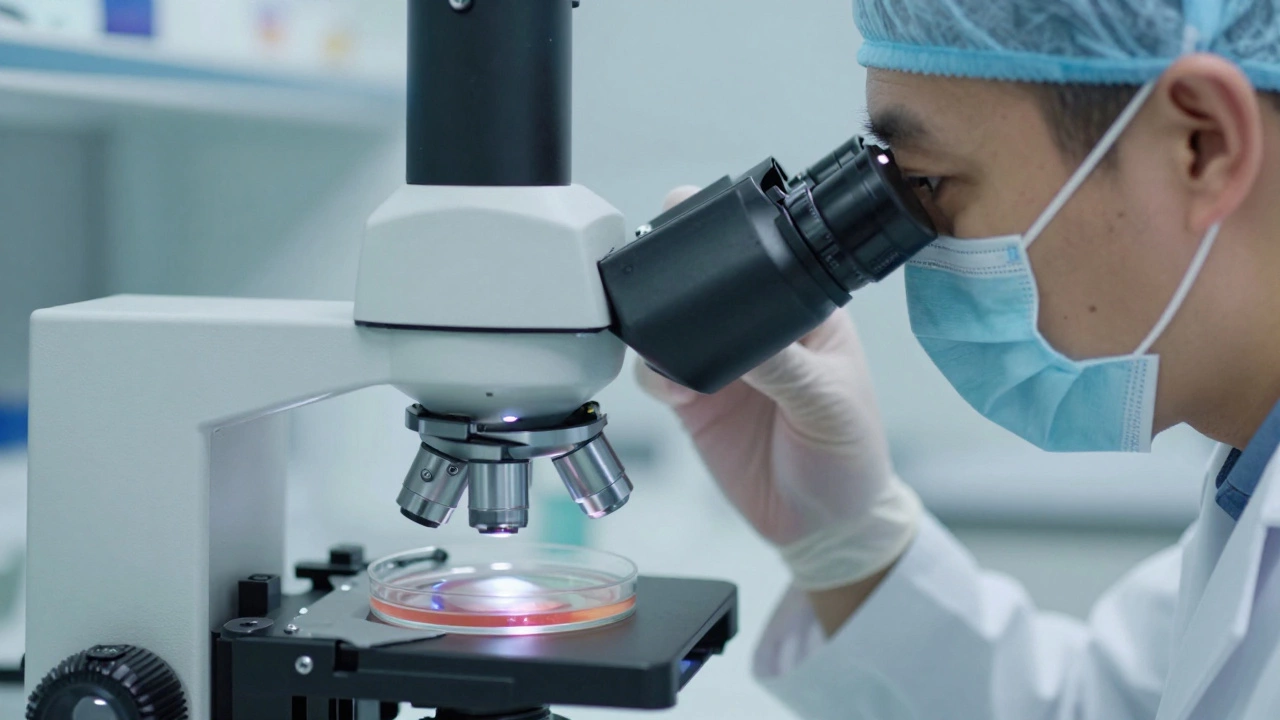
It sounds simple in theory: meet the sperm, join the egg, watch life begin. But when that meeting never happens naturally, In Vitro Fertilization steps in. You might wonder exactly what this medical procedure achieves beyond the basic definition. Simply put, it bypasses the body’s obstacles to create an environment where conception can happen outside the body.
It takes fertilization from your womb to a laboratory dish. For many couples, this isn't just about technology; it is about reclaiming a timeline you thought was lost forever. Understanding what the treatment actually does to your biology changes how you approach the entire journey.
The Biological Shortcut
Natural conception relies on perfect timing and open pathways. Sometimes those pathways are blocked, or the timing is off due to hormonal signals. IVF treatment handles the mechanics that your body cannot complete on its own. Instead of waiting for ovulation and hoping for the best, doctors collect multiple eggs. They then combine them with sperm in a controlled setting.
This process ensures that fertilization happens under observation. In natural conception, this event occurs inside the fallopian tube, which is impossible to monitor directly. In the clinic, embryologists check to see if the cells are merging correctly. This visibility provides data that helps predict whether an A developing organism resulting from fertilized egg.embryo is healthy enough to implant.
Step-by-Step: How the Procedure Unfolds
The treatment follows a structured cycle that spans roughly two to four weeks. Breaking this down helps demystify what feels like a chaotic medical experience.
- Ovarian Stimulation: You take medications for about ten days. These hormones signal your ovaries to produce several follicles instead of just one.
- Egg Retrieval: Using ultrasound guidance, a thin needle passes through the vaginal wall to collect fluid containing oocytes. This is a short outpatient procedure done under sedation.
- Fertilization: Sperm is washed and prepared. In cases of severe male factor infertility, a single sperm may be injected directly into each egg using Intracytoplasmic Sperm Injection (ICSI).
- Culturing: The embryos grow in a specialized incubator for three to five days.
- Transfer: A thin catheter slides the selected embryo into your uterus. Ideally, this happens when the uterine lining is thickest.
Each stage targets a specific barrier. If your tubes are blocked, the transfer step skips them entirely. If you have low ovarian reserve, stimulation aims to maximize every available cell.
| Phase | Duration | Purpose |
|---|---|---|
| Stimulation | 8-12 Days | Mature multiple eggs |
| Retrieval | 15-20 Minutes | Collect gametes safely |
| Laboratory | 3-6 Days | Monitor fertilization growth |
| Transfer | 1 Hour | Place embryo in uterus |
Who Actually Benefits From This?
You might think you need a specific diagnosis to qualify, but the reasons vary widely. The procedure adapts to different biological failures. Women with Blocked TubesDamage to the fallopian tubes preventing egg transport.tubal blockage benefit because the pathway is completely removed from the equation. Even women who suffer from endometriosis see success because the inflammation often damages egg quality or tubal function, which IVF sidesteps.
For men, this solution helps when sperm count is critically low. If standard insemination fails to achieve pregnancy after a year, IVF becomes the next logical step. Some older women turn to Using eggs from another donor.egg donation alongside IVF if their ovarian reserve is depleted. The technique remains the same, but the biological source changes to improve success rates.

Succeeding Rates and Real Expectations
Talking about numbers matters because hope needs a baseline. While clinics tout higher percentages, the reality depends heavily on age. Under thirty-five, you see success rates hover around 50% per fresh transfer. After forty, that number drops significantly, often below 20%. This drop links to egg quality rather than the lab skill involved in the process.
However, modern techniques like Freezing embryos for later use.cryopreservation allow for multiple attempts from one retrieval. Many patients freeze surplus embryos. This means they do not have to undergo hormone stimulation again for future cycles, saving time and reducing physical strain on the ovaries.
The Financial and Emotional Cost
Money is a major part of the conversation regarding what IVF does for your life. Treatments are rarely covered fully by insurance in many regions. Costs range widely based on medications, lab work, and genetic testing added to the protocol. Budgeting for multiple cycles is common wisdom among experienced families.
Emotionally, the process demands resilience. You spend a lot of time watching monitors and needles, feeling vulnerable. Support systems, counseling, and partner communication become vital parts of the "treatment" itself. Ignoring the mental load can impact outcomes just as much as ignoring the physical preparation.

Is It Safe Long-Term?
Pregnancies achieved through this method generally result in healthy babies. Large-scale studies track children born via assisted reproduction and find no significant difference in development compared to naturally conceived children. There are slightly higher risks of multiples (twins or triplets) if more than one embryo transfers, so transferring one at a time is the growing standard to prevent complications.
Short-term side effects exist, like bloating or mood swings from the hormones used during stimulation. These fade once the medication ends. Serious complications like Ovarian Hyperstimulation Syndrome occur rarely and are manageable with careful monitoring during the initial visits.
Next Steps Before Starting
If you are considering this path, preparation is your best tool. Begin with a reproductive specialist consultation. Bring previous records to save time. Ask about their specific success rates for your age group. Verify what happens to unused embryos in case you change your mind about freezing or donating them later. Understanding your options protects you when decisions need to be made quickly during a cycle.
Does IVF hurt during the procedure?
Most procedures involve mild discomfort. Egg retrieval uses sedation to ensure you sleep through the process. Post-procedure, some cramping or bloating is normal for a few days.
Can I get pregnant after IVF?
Yes, the goal is live birth. Success rates depend on age, embryo quality, and uterine health. Most clinics provide cumulative success statistics across multiple attempts.
How long does one cycle take?
A standard active cycle takes about four weeks from the first injection to the transfer day. However, pre-testing and prep might add a few weeks before starting.
Are there risks associated with IVF?
Risks include multiple pregnancies, bleeding, infection at puncture sites, and rare hyperstimulation. Doctors mitigate these through dosage adjustments and single embryo transfers.
Do I need to take time off work?
You usually need rest on the day of retrieval and transfer. Medication injections can often be managed while working, but fatigue levels vary person to person.
 Walgreens and CVS Ownership: Are They Family-Owned? Facts Explained
 What State Is Ranked #1 in Health Care? The Top Choice for Medical Tourism in 2025
 Understanding How Quickly Herbal Supplements Take Effect in Your Body
 What to Eat First in the Morning According to Ayurveda
 Navigating Boundaries: Sharing Wisely with Your Therapist