Superfood Nutrient Explorer
Select a food category to see why it's considered a 'Superfood'
Quick Takeaways
- No single food is a cure-all; nutrient density and variety are what actually matter.
- Legumes (beans, lentils) are widely considered the most impactful staple for longevity.
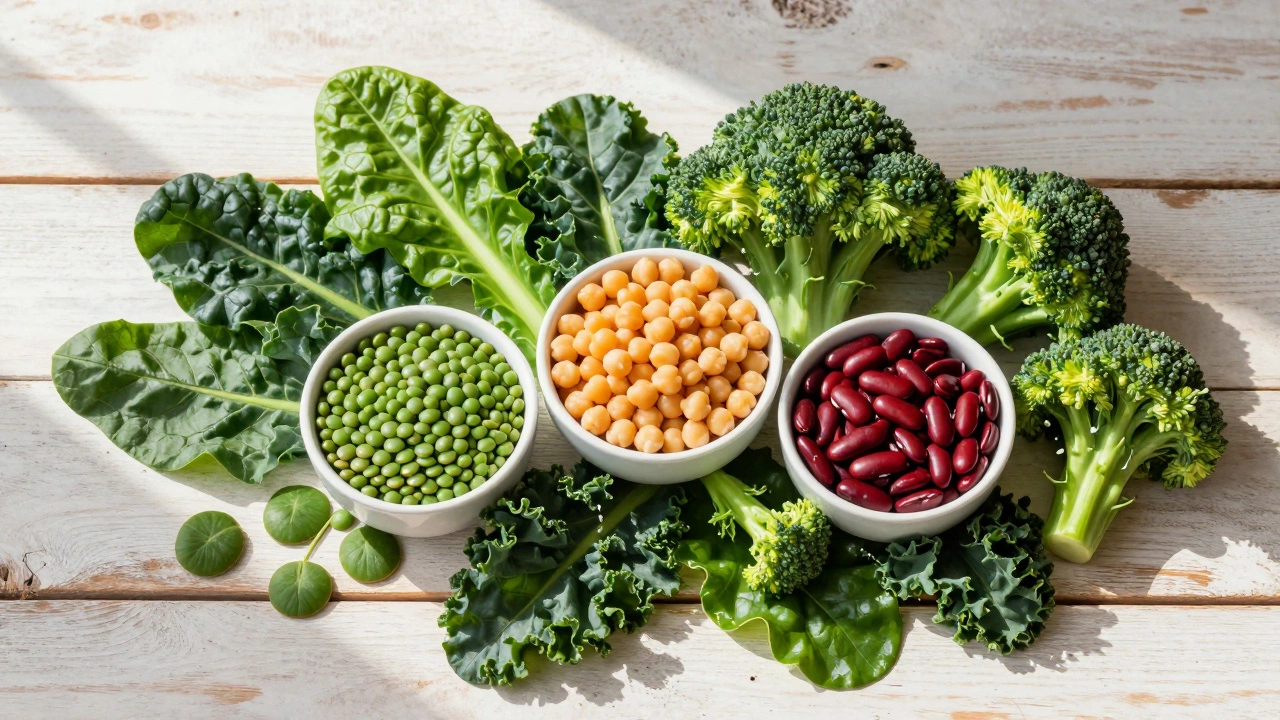
- Dark leafy greens and cruciferous vegetables offer the highest concentration of micronutrients.
- The 'healthiest' food depends on your specific medical needs and metabolic type.
Why the 'Number One' Food is Actually a Category
When people ask for the healthiest food, they usually mean 'which food gives me the most bang for my buck?' In nutrition science, we call this Nutrient Density. A food is nutrient-dense if it packs a massive amount of vitamins, minerals, and antioxidants relative to its calorie count. For example, 100 calories of spinach provide way more biological value than 100 calories of white rice.
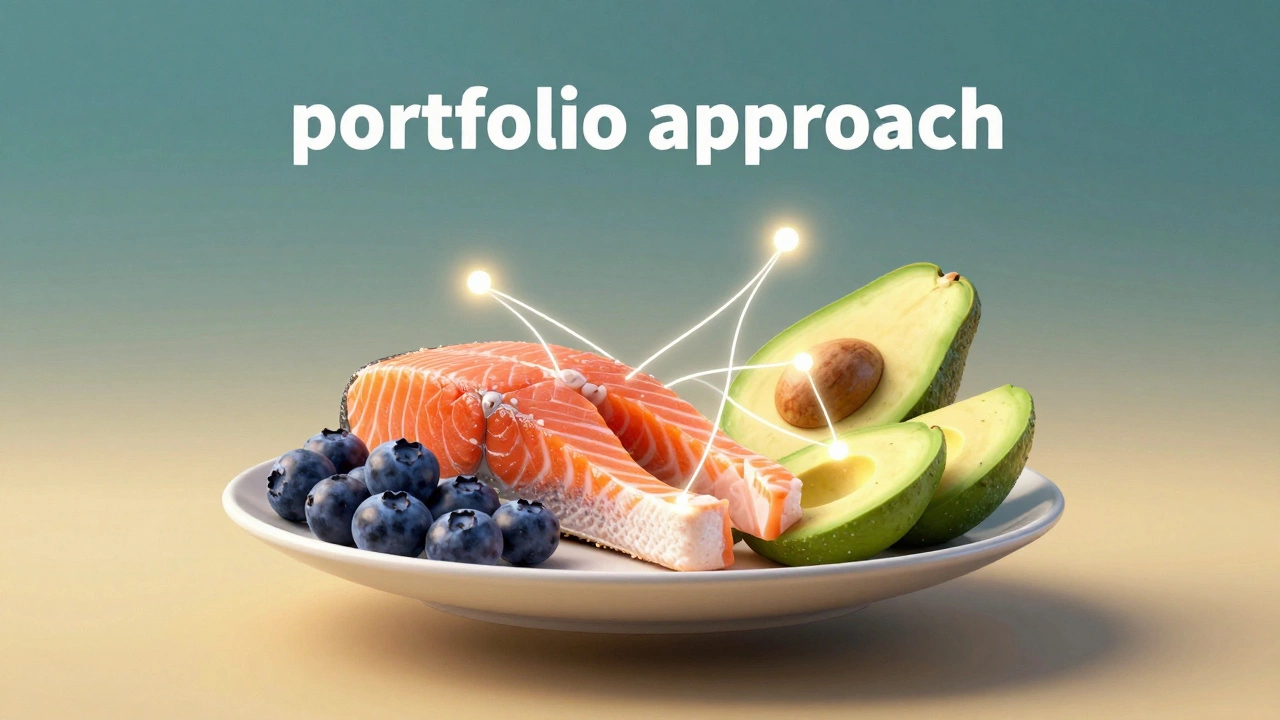
If we forced a scientist to pick one category, they'd likely point to Cruciferous Vegetables. Think broccoli, kale, and Brussels sprouts. These aren't just 'healthy'-they contain Sulforaphane, a compound that helps the body detoxify and may protect against cellular damage. But eating nothing but broccoli would lead to malnutrition. This is why medical nutrition focuses on the 'portfolio' approach rather than a single hero food.
The Power of Legumes: The Longevity Secret
If you look at the diet of a centenarian in Okinawa, Japan, or a villager in Nicoya, Costa Rica, you'll find beans. Why? Because Legumes do something unique. They combine slow-digesting carbohydrates with a significant amount of protein and soluble fiber. This prevents the blood sugar spikes that lead to Type 2 Diabetes and insulin resistance.
Take the lentil, for instance. It's loaded with folate, iron, and manganese. When you eat lentils, you're not just getting fuel; you're providing the raw materials your liver needs to process fats and your brain needs to maintain neurotransmitter balance. In the context of medical tourism, many patients visiting wellness retreats in India or Southeast Asia are reintroduced to a legume-heavy diet to reset their metabolic health after years of processing refined sugars.
| Food Category | Primary Benefit | Key Nutrient | Impact on Longevity |
|---|---|---|---|
| Legumes | Blood sugar control | Soluble Fiber | Very High |
| Dark Leafy Greens | Cognitive function | Vitamin K1 / Lutein | High |
| Berries | Oxidative stress reduction | Anthocyanins | Medium-High |
| Fatty Fish | Heart & Brain health | Omega-3 Fatty Acids | High |
The Role of Micronutrients and Antioxidants
To understand what makes a food 'the healthiest,' we have to talk about Antioxidants. Our bodies produce free radicals-unstable molecules that damage cells-as a byproduct of metabolism and pollution. Antioxidants neutralize these molecules. This is why Blueberries are often touted as a top food. They are rich in anthocyanins, which cross the blood-brain barrier and protect neurons.
But here is the catch: antioxidants work better in teams. The Vitamin C in a bell pepper helps you absorb the iron in your spinach. The healthy fats in an avocado allow your body to absorb the Vitamin A in a carrot. This synergistic effect is why the 'healthiest food' is actually a balanced plate. If you only eat the 'number one' food, you miss out on the supporting cast that makes those nutrients bioavailable.
Integrating Nutrition into Medical Recovery
For those traveling for medical procedures, nutrition isn't just about wellness-it's about recovery. If you've had a major surgery, your body is in a hyper-metabolic state. It needs specific building blocks to knit skin back together and heal organs. This is where Collagen-rich foods and high-quality proteins become the 'healthiest' option for that specific moment.
In many high-end medical tourism hubs, the post-op diet is designed around anti-inflammatory foods. Avoiding processed seed oils and sugar while leaning into wild-caught salmon (rich in EPA and DHA) reduces swelling and speeds up the healing process. In this scenario, the 'healthiest food' shifts from a general longevity staple like beans to a targeted recovery tool like omega-3 rich fish.
Common Pitfalls in the Search for Superfoods
The biggest mistake people make is buying 'superfood' powders. When you dehydrate a berry or a leaf and turn it into a powder, you often lose the volatile compounds and the fiber that makes the food healthy in the first place. A scoop of acai powder is not a replacement for a handful of fresh berries. The fiber slows down the absorption of sugar, which protects your liver from fatty deposits.
Another trap is ignoring the 'toxic load.' Some of the most nutrient-dense foods, like spinach and chard, are high in oxalates. For someone with a history of kidney stones, these 'healthiest foods' could actually be dangerous. This is why medical guidance is crucial. Nutrition is not one-size-fits-all; it's a prescription based on your genetics, your current health markers, and your goals.
How to Build Your Own 'Number One' Diet
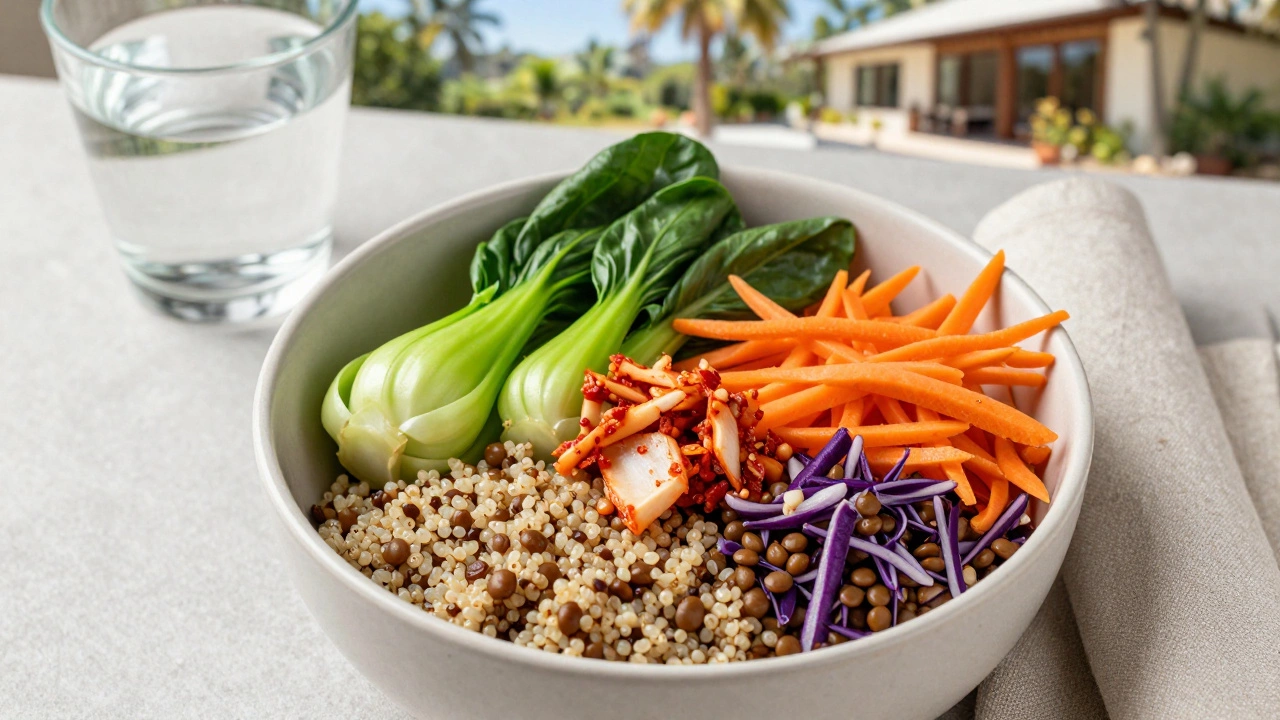
Since no single food wins the trophy, the goal is to create a diet with the highest possible nutrient density. Start by filling half your plate with colors-deep greens, bright oranges, and dark purples. Each color represents a different phytochemical. Add a serving of legumes or a lean protein to keep your muscles intact and your hunger stable.
- Prioritize Whole Foods: If it comes in a box with a list of ingredients you can't pronounce, it's not a superfood.
- Rotate Your Greens: Don't just eat kale. Switch to arugula, collard greens, or bok choy to get a wider spectrum of minerals.
- Focus on Fermentation: Foods like kimchi or sauerkraut provide probiotics that ensure your gut can actually absorb the nutrients you're eating.
- Stay Hydrated: Nutrients need water to travel through your bloodstream to your cells.
Can I just take a supplement instead of eating these foods?
Supplements are meant to fill gaps, not replace food. Whole foods provide a complex matrix of fibers, enzymes, and co-factors that a pill cannot replicate. For example, eating an orange gives you Vitamin C plus fiber and flavonoids that help the body absorb that vitamin more effectively than a synthetic ascorbic acid tablet.
Are beans really healthier than meat?
From a longevity and cardiovascular standpoint, yes. Legumes provide protein without the saturated fats and heme iron found in red meats, which in high amounts are linked to inflammation and heart disease. However, a balance of high-quality proteins is usually best for most people.
What is the most nutrient-dense vegetable?
If we look at vitamins and minerals per calorie, spinach and kale are at the top. However, cruciferous vegetables like broccoli and sprouts offer unique compounds like sulforaphane that provide specific anti-cancer properties, making them equally 'healthy' depending on your goal.
Does the 'healthiest food' change as I get older?
Absolutely. As you age, your protein needs increase to prevent muscle wasting (sarcopenia), and your need for Omega-3s increases to protect brain health. A 20-year-old might focus on energy-dense superfoods, while a 70-year-old should prioritize easy-to-digest proteins and anti-inflammatory fats.
Is fruit too sugary to be considered the healthiest food?
Whole fruit is very different from fruit juice. The fiber in whole fruit slows the absorption of fructose, meaning it doesn't spike your insulin the way soda does. Berries, in particular, are low-sugar and high-antioxidant, making them a gold standard for health.
Next Steps for Your Nutrition Journey
If you're overwhelmed by the options, don't try to overhaul your diet overnight. Start by adding one serving of legumes to your week-maybe a chickpea salad or a bowl of lentil soup. Once that's a habit, introduce a new dark leafy green. If you are currently recovering from a medical procedure or managing a chronic condition, consult with a nutritionist to tailor these 'superfoods' to your specific blood markers and recovery stage.
 Did the Obamas Use IVF? Exploring Their Journey
 What Are the 7 Types of Mental Disorders? A Clear Guide to Common Conditions
 Understanding Trazodone: Is It a Narcotic?
 What You Cannot Do After Heart Surgery: Essential Restrictions for Safe Recovery
 Is Ashwagandha Safe? What You Really Need to Know Before Taking It