Hardest Surgery to Recover From: What Really Makes Recovery Tough
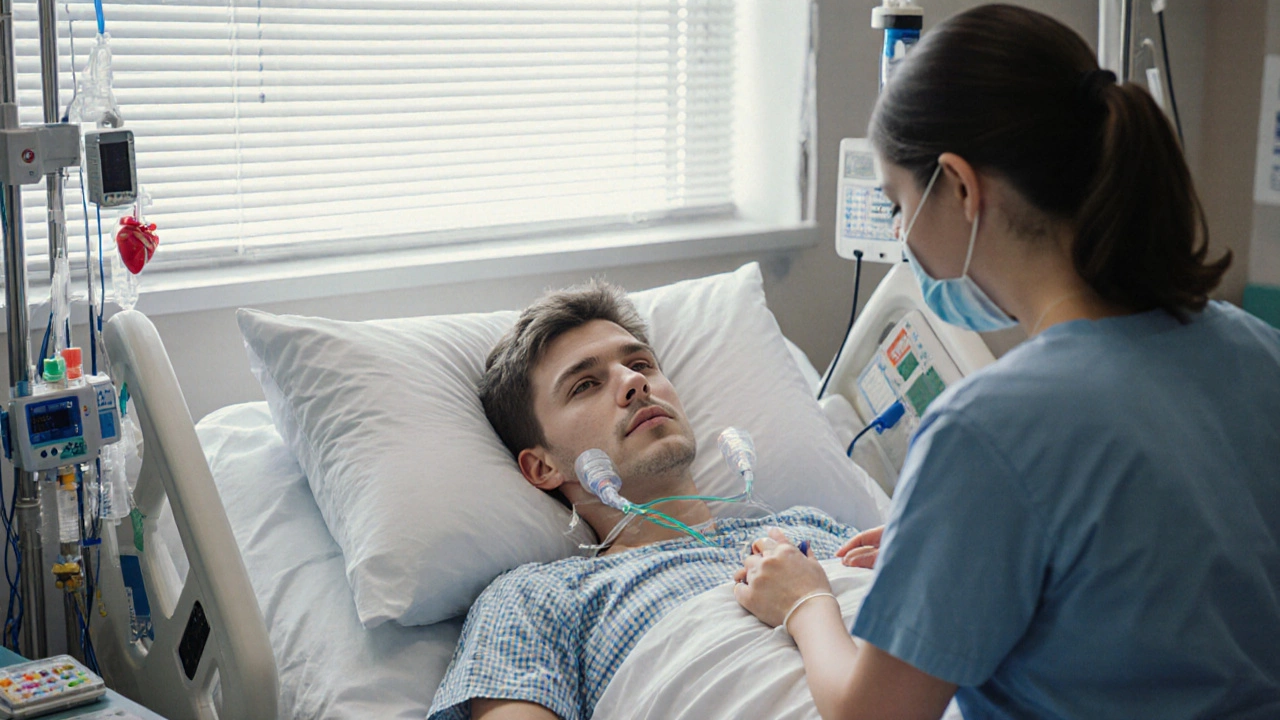
When we talk about the hardest surgery to recover from, a medical procedure that demands the longest, most painful, and most unpredictable healing process, we’re not just talking about how long you stay in the hospital. It’s about the months of physical struggle, the mental toll, the sleepless nights, and the fear that you’ll never get back to who you were. This isn’t about one surgery being "worse" than another — it’s about how your body, mind, and life get pulled apart and how hard it is to put them back together.
Take heart surgery, a major operation to repair or replace damaged heart tissue or vessels. Even after the chest is stitched up, recovery isn’t over. You’re not just healing skin and muscle — your entire circulatory system is relearning how to work. Pain doesn’t fade quickly. Breathing feels heavy. Walking across the room leaves you exhausted. And the fear? It lingers. Will the heart hold up? Will I have another episode? This isn’t just physical recovery — it’s emotional recalibration. Studies show that over 40% of heart surgery patients report lasting fatigue for six months or longer. That’s not normal aging — that’s the cost of saving your life.
Then there’s spinal fusion, a procedure that locks vertebrae together to stop painful movement. You’re not just recovering from an incision — you’re learning to move differently for the rest of your life. Simple things like tying your shoes, turning in bed, or sitting for more than 10 minutes become challenges. The pain doesn’t always go away. Nerves take years to heal — if they heal at all. And unlike heart surgery, where progress is measured in heartbeats and oxygen levels, spinal recovery is measured in tiny wins: "Today I stood for 15 minutes without grabbing the counter."
And let’s not forget organ transplant, replacing a failing liver, kidney, or lung with a donor organ. The surgery is only the beginning. Your body sees the new organ as an invader. So you take immunosuppressants — drugs that weaken your immune system just to keep the transplant alive. That means you’re always one cold away from a hospital trip. You can’t go to crowded places. You can’t eat raw food. You’re constantly watching for signs of rejection. The recovery isn’t just about healing — it’s about living with a permanent state of vulnerability.
What ties these together isn’t the complexity of the surgery itself — it’s the fact that your body doesn’t just heal. It has to relearn. It has to adapt. And it often never goes back to how it was before. The hardest surgeries to recover from aren’t the ones with the longest operating times. They’re the ones that steal pieces of your old life and don’t give them back.
Below, you’ll find real stories and hard facts from people who’ve been through this — the ones who survived the operating room but still fight every day to get back to normal. Whether it’s pain management, recovery timelines, or the hidden emotional toll, these posts don’t sugarcoat it. They give you what you actually need to know before you say "yes" to surgery — or after you’ve already said it.