
Главные выводы (Key Takeaways)
- Statistics are averages, not predictions for individuals.
- Advances in targeted therapy and immunotherapy are extending lives significantly.
- "Life expectancy" varies wildly depending on the organ involved (e.g., skin vs. lung).
- Quality of life is just as important as the length of life.
- Palliative care is not the same as hospice; it can be used alongside curative attempts.
Why the "Average" Survival Rate is Misleading
You might see a number like a "five-year survival rate" in a medical report. For example, if a report says the five-year survival rate for a certain stage 4 cancer is 20%, it doesn't mean you have a 20% chance of living. It means that in a study of people diagnosed years ago, 20% were still alive after five years.
There are three big reasons why these numbers lie to you. First, there is the lag time. Most data comes from people diagnosed 5 to 10 years ago. If a breakthrough drug was released in 2024, the 2018 statistics don't reflect that. Second, patient diversity. One person might be 40 years old with no other health issues, while another is 80 with heart disease. They are grouped together in the stats, but their outcomes will be completely different. Third, the response to treatment. Some people are "super-responders" to a specific drug, seeing their tumors shrink dramatically even when the odds looked grim.
The Impact of Cancer Type on Prognosis
Not all stage 4 cancers behave the same way. The biology of the tumor determines the timeline. Some metastatic cancers move slowly, allowing people to live for a decade or more with management, while others are more aggressive.
For instance, Metastatic Breast Cancer often responds well to hormonal therapies, allowing many patients to maintain a high quality of life for many years. On the other hand, Glioblastoma (a type of brain cancer) is much more aggressive because the blood-brain barrier makes it hard for drugs to reach the tumor.
| Cancer Type | Primary Goal | Common Approach | Typical Timeline Outlook |
|---|---|---|---|
| Breast (Metastatic) | Chronic Management | Hormone therapy / Targeted drugs | Often years to decades |
| Lung (NSCLC) | Control & Extension | Immunotherapy / EGFR inhibitors | Highly variable based on mutation |
| Pancreatic | Symptom Control | Aggressive chemo / Palliative care | Generally shorter/more aggressive |
| Melanoma | Shrinkage / Stability | Checkpoint inhibitors | Significant improvement in recent years |
Modern Treatments Changing the Game
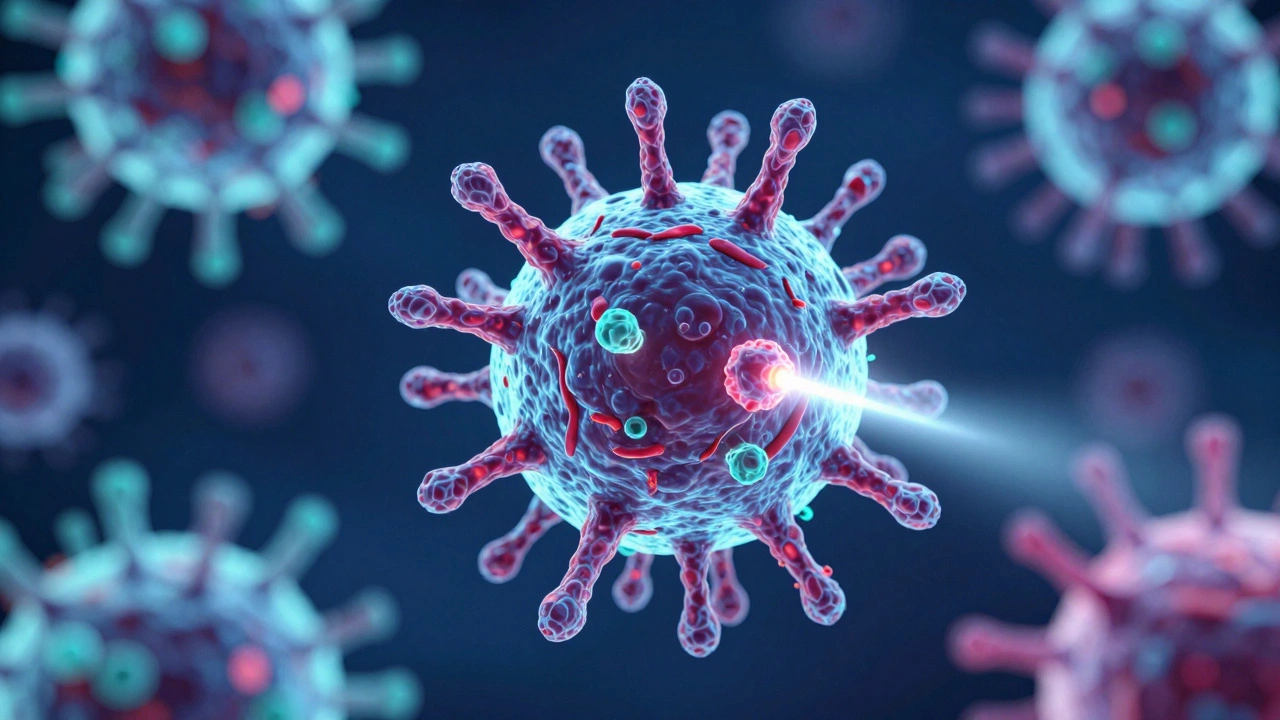
We are moving away from the "one size fits all" approach of traditional chemotherapy. Targeted Therapy is a game changer. Instead of killing all fast-growing cells (which is why chemo makes hair fall out), these drugs target specific mutations in the cancer's DNA. If your tumor has a specific "driver mutation," a pill might be able to shut that growth signal off almost entirely.
Then there is Immunotherapy. This doesn't attack the cancer directly. Instead, it unmasks the cancer cells so your own immune system can find and destroy them. Some patients with stage 4 melanoma, which used to be a death sentence, are now seeing long-term remission thanks to these treatments. When you ask how long you will live, the answer often depends on whether your specific cancer has a biomarker that these drugs can target.
The Role of Palliative Care vs. Hospice
There is a common fear that mentioning palliative care means "giving up." This is a dangerous misunderstanding. Palliative Care is specialized medical care for people living with a serious illness. It focuses on providing relief from the symptoms and stress of the illness. You can have palliative care and aggressive chemotherapy at the same time. Its goal is to make sure you aren't suffering from pain, nausea, or anxiety while you fight the disease.
Hospice Care is different. It is specifically for the end-of-life phase, usually when doctors believe the patient has six months or less to live and is no longer pursuing curative treatments. Transitioning to hospice is about prioritizing comfort and dignity over the grueling side effects of treatments that are no longer working. Choosing hospice isn't giving up; it's choosing how you want to spend your final days.
Factors That Influence Individual Survival
When a doctor looks at a patient, they aren't just looking at the scan. They are looking at the Performance Status. This is a fancy way of asking: Can you still walk? Can you take care of yourself? Do you spend more than 50% of your day in bed? A patient with a high performance status can usually handle more aggressive treatments, which can lead to a longer survival time.
Other factors include:
- Organ Function: If the cancer has spread to the liver or kidneys, those organs must stay functional for the patient to tolerate chemotherapy.
- Nutritional Status: Cachexia (muscle wasting) is common in stage 4 cancer. Patients who maintain their weight and muscle mass generally fare better.
- Mental Resilience: While it doesn't cure the cancer, a strong support system and mental health care reduce the physiological stress on the body, which can help the body withstand treatment.
Asking Your Doctor the Right Questions
If you ask, "How long do I have?" you might get a vague answer because doctors hate giving dates they can't guarantee. To get a clearer picture of your stage 4 cancer survival rate and outlook, ask more specific, functional questions. Instead of a date, ask about the goals of the treatment.
Try asking: "What is the goal of this specific drug? Is it to shrink the tumor, stop it from growing, or just manage the symptoms?" Or, "What are the markers of success for this treatment? How will we know if it's working?" This gives you a roadmap of the journey rather than just a destination. It helps you plan your life-whether that means planning a trip next month or organizing your estate-based on real-time progress rather than a static statistic.
Can stage 4 cancer ever be cured?
In the vast majority of cases, stage 4 cancer is not "curable" in the sense that it can be completely removed from the body forever. However, it can be "controlled." Many patients live for years in a state of stable disease, where the cancer exists but doesn't grow or cause symptoms. In some rare cases, particularly with certain blood cancers or highly responsive immunotherapy patients, a complete clinical response occurs where no detectable cancer remains for a long period.
Does the location of the spread matter?
Yes, absolutely. For example, if breast cancer spreads only to the bones, the prognosis is often very different than if it spreads to the brain or liver. The liver is critical for metabolism and detoxing the body; if the liver fails, the body cannot process chemotherapy drugs, which complicates treatment and typically shortens the timeline.
What is the difference between 'progression-free survival' and 'overall survival'?
Progression-free survival (PFS) is the length of time during and after treatment that a patient lives with the disease, but it does not get worse. Overall survival (OS) is the total time from diagnosis or start of treatment until death from any cause. Doctors use PFS to see if a drug is working to "freeze" the cancer, while OS is the final measure of the drug's impact on lifespan.
Should I seek a second opinion for stage 4?
Yes. Because stage 4 treatment is so complex and relies heavily on the latest clinical trials and genomic sequencing, a second opinion from a major academic cancer center is highly recommended. Different hospitals have access to different drugs and trials; one oncologist might be more aggressive or aware of a new targeted therapy that another isn't.
How do I handle the anxiety of not knowing the exact date?
Focus on "milestone goals." Instead of looking at the next five years, look at the next three months. Focus on the quality of your days. Many patients find that engaging with a psycho-oncologist (a therapist specializing in cancer) helps them process the uncertainty and focus on creating meaningful experiences with loved ones regardless of the timeline.
Next Steps and Support
If you are currently navigating this, your priority should be a combination of medical precision and emotional support. Start by requesting a full genomic profile of your tumor; this identifies the specific mutations and opens the door to targeted therapies. Next, integrate a palliative care team early. Do not wait until the end; they can help manage the side effects of chemo and improve your daily energy levels.
For those acting as caregivers, remember that the patient's emotional needs change. Some days they will want to fight with everything they have; other days they may just want peace and comfort. The best thing you can provide is a space where both those feelings are valid, and where the focus remains on the person, not just the patient.
 What Is the Toughest Mental Illness to Treat?
 Top High-Risk Heart Surgeries: Understanding the Dangers
 Best Treatments for an Aging Face: Expert-Backed Solutions
 IVF Babies: Do They Really Get Their Mom’s DNA?
 Top US States for Premier Hospital Care and Medical Tourism