
Cancer Screening Risk Calculator
Your Health Profile
Key Insights
Did you know?
About 15% of people diagnosed with stage one or two cancer have no known risk factors.
90% of colon cancers found early through screening are curable. Without screening, that number drops to under 15%.
Pancreatic and ovarian cancers often show no symptoms until advanced stages.
It’s a quiet fear: what if you have cancer and don’t know it? You wake up feeling fine, eat well, sleep through the night, and go about your day. No pain. No fatigue. No obvious warning signs. So how could something as serious as cancer be hiding in plain sight?
Yes, you can have cancer and feel completely fine
Many people are diagnosed with cancer after a routine scan or blood test-because they had no symptoms at all. This isn’t rare. In fact, it’s common. Cancers like pancreatic, ovarian, liver, and early-stage lung cancer often grow silently for months or even years before causing noticeable problems. By the time symptoms show up, the cancer may have already spread.
Think of it like a leaky pipe inside a wall. You don’t see the water, you don’t hear the drip, but the wood is rotting. Cancer works the same way. It doesn’t always scream. Sometimes, it just whispers.
Why some cancers stay hidden
Not all cancers behave the same. Some tumors grow slowly and don’t press on nerves, organs, or blood vessels. Others develop in areas with few pain receptors. The pancreas, for example, sits deep in the abdomen. A tumor there can grow to the size of a lemon before it starts affecting digestion or causing jaundice.
Ovarian cancer is another classic example. Early-stage ovarian cancer rarely causes pain. Instead, it might cause mild bloating or a feeling of fullness after eating-symptoms many women blame on indigestion or stress. By the time the pain becomes sharp or persistent, the cancer may have reached stage three or four.
Even lung cancer can be silent. A small nodule on the lung won’t trigger coughing or shortness of breath until it’s large enough to block an airway. Smokers might chalk up a slight cough to their habit. Non-smokers might not think twice about a minor chest tightness.
What ‘feeling fine’ really means
Feeling fine doesn’t mean you’re healthy. It just means your body hasn’t reached a breaking point yet. Cancer doesn’t always hurt. It doesn’t always make you tired. It doesn’t always cause weight loss.
Here’s what’s happening inside your body when you feel fine:
- A tumor is growing slowly, using up nutrients without triggering alarms.
- Your immune system is keeping it in check-for now.
- Your liver and kidneys are compensating, filtering out waste products the cancer produces.
- Your brain hasn’t registered any signals because there’s no inflammation, pressure, or damage yet.
This is why screening matters more than symptoms. If you wait for pain, you might be too late.
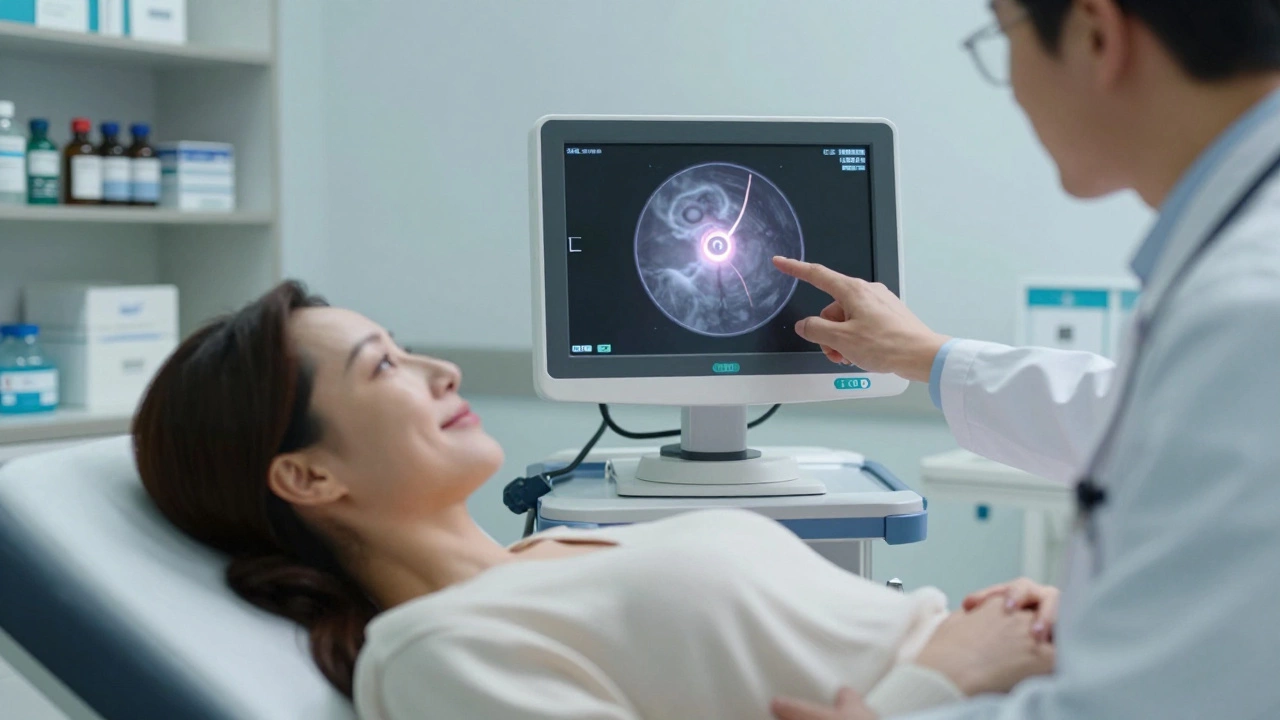
Who’s at risk-and who should get checked
You don’t have to be old or overweight to get silent cancer. Risk factors include:
- Age over 50
- Family history of cancer (especially breast, ovarian, colon, or prostate)
- Smoking or heavy alcohol use
- Chronic inflammation (like hepatitis or IBD)
- Exposure to asbestos, radon, or certain chemicals
- Obesity or sedentary lifestyle
- HPV infection (linked to throat and cervical cancer)
But here’s the catch: about 15% of people diagnosed with stage one or two cancer have no known risk factors. That’s why guidelines recommend routine screenings for everyone in high-risk age groups-even if they feel perfect.
Screening tests that catch cancer before symptoms appear
These are the tests doctors use to find cancer when you feel fine:
- Colonoscopy - detects colon polyps before they turn into cancer. Recommended every 10 years starting at 45.
- Mammogram - finds breast tumors too small to feel. Annual from age 40-75, depending on risk.
- Low-dose CT scan - for lung cancer in long-term smokers or former smokers over 50.
- CA-125 blood test + ultrasound - for ovarian cancer in high-risk women (not for general population).
- PSA blood test - for prostate cancer in men over 50 (discuss with your doctor first).
- Pap smear + HPV test - for cervical cancer, every 3-5 years starting at 21.
- Fecal immunochemical test (FIT) - annual stool test for hidden blood, a sign of colon cancer.
These tests don’t cause symptoms. They prevent them.
What to do if you feel fine but are worried
If you’re over 40, have a family history, or just want peace of mind, here’s what to do:
- Write down your personal risk factors: age, smoking, diet, family history, past illnesses.
- Check your country’s national cancer screening guidelines. In India, the National Cancer Control Programme recommends screenings for breast, cervical, and oral cancer.
- Schedule a check-up with your doctor. Don’t wait for symptoms.
- Ask: “What screenings should I have based on my age and history?”
- Don’t dismiss mild changes: unexplained weight loss, persistent bloating, new moles, or a cough that won’t go away.
Many people delay because they fear bad news. But the truth is, catching cancer early gives you more options. Treatment is simpler, less expensive, and far more effective.
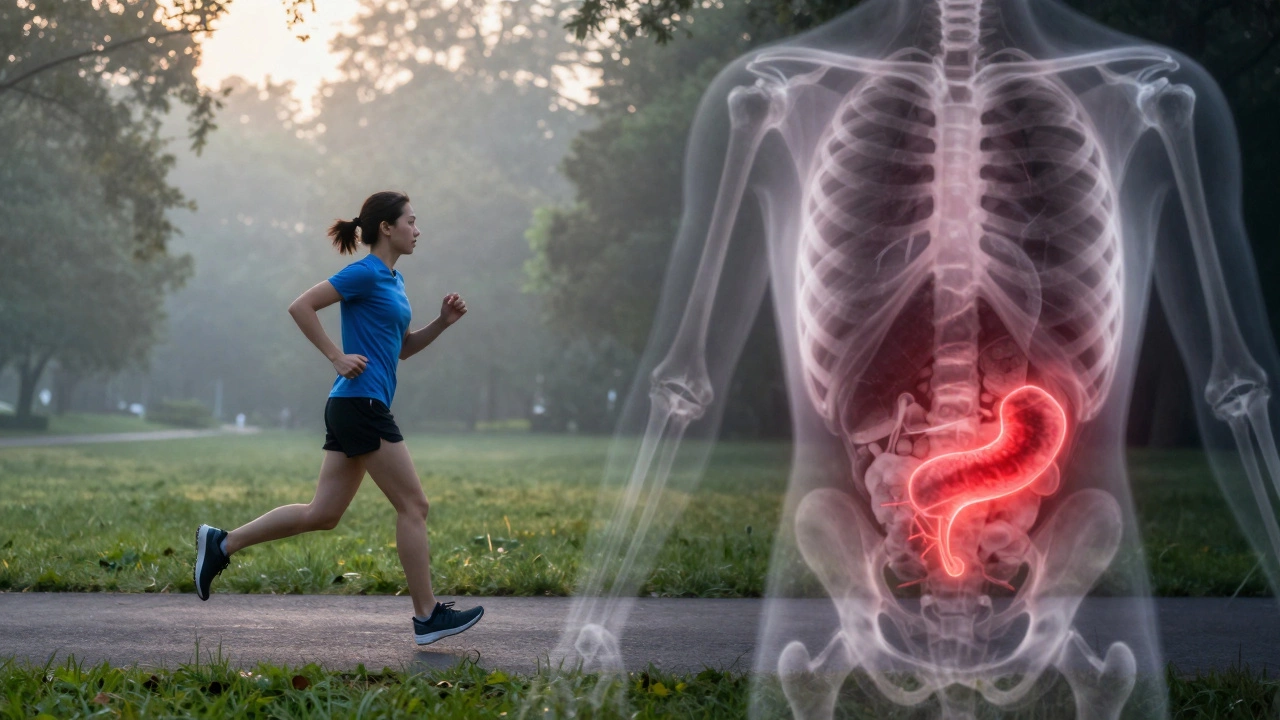
Real stories from real people
A 52-year-old teacher in Bangalore had no symptoms. She felt great. But she went for a routine colonoscopy after her sister was diagnosed with colon cancer. They found a polyp. Removed it. No cancer. No chemo. No surgery.
A 48-year-old man in Pune noticed he was losing weight without trying. He thought it was stress. His doctor ordered a CT scan. Found a small tumor on his liver. Biopsy confirmed early-stage cancer. He started treatment. Now, he’s in remission.
These aren’t rare cases. They’re the rule.
What you can do today
You don’t need to wait for a diagnosis to act. Start now:
- Know your family medical history. Talk to your parents and siblings.
- Don’t skip annual check-ups. Even if you feel fine.
- Limit processed meats, alcohol, and sugary drinks. They raise cancer risk.
- Move daily. Walk 30 minutes. It cuts colon and breast cancer risk by 20-30%.
- Get vaccinated. HPV and Hepatitis B vaccines prevent cancers.
- Protect your skin. Use sunscreen. Melanoma can be deadly if missed early.
Cancer doesn’t always knock. Sometimes, it just walks in quietly. The only way to stop it is to look before it’s too late.
What’s the truth about feeling fine?
Feeling fine doesn’t mean you’re cancer-free. It just means your body hasn’t reached its limit yet. The sooner you get screened, the more control you have. Early detection doesn’t guarantee a cure-but it gives you the best shot.
Don’t wait for pain. Don’t wait for fatigue. Don’t wait for a diagnosis from someone else. Take charge now. Your future self will thank you.
Can you have stage 4 cancer and feel fine?
It’s rare, but possible. Some people with advanced cancer-especially in the bones or liver-may feel okay for weeks or months because the cancer hasn’t yet disrupted critical functions. But most stage 4 cancers eventually cause symptoms like pain, weight loss, fatigue, or breathing trouble. Feeling fine at this stage doesn’t mean the cancer isn’t serious-it means it hasn’t yet triggered visible signs.
If I feel fine, do I still need cancer screenings?
Yes. Most cancers don’t cause symptoms until they’re advanced. Screenings like colonoscopies, mammograms, and low-dose CT scans find cancer before you feel anything. For example, 90% of colon cancers found early through screening are curable. Without screening, that number drops to under 15%.
Which cancers are most likely to be silent?
Pancreatic, ovarian, liver, kidney, and early-stage lung cancer are among the most silent. They grow in areas with few pain receptors and don’t trigger obvious symptoms until they’re large or have spread. Prostate and thyroid cancers can also grow slowly without causing discomfort.
Can stress or lifestyle cause cancer without symptoms?
Stress doesn’t directly cause cancer, but long-term stress weakens your immune system, making it harder to fight off abnormal cells. Poor diet, lack of sleep, smoking, and inactivity create an environment where cancer can grow unnoticed. These habits don’t cause symptoms-they create conditions for silent disease.
What’s the best way to catch cancer early?
Regular screenings based on your age and risk factors. For most adults, that means mammograms, colonoscopies, Pap smears, and low-dose CT scans if you’re a smoker. Blood tests like PSA or CA-125 aren’t perfect but can help when combined with other tools. The key is consistency-not waiting for something to hurt.
 Easiest Types of Cancer to Beat: Survival Rates Explained
 Understanding How Quickly Herbal Supplements Take Effect in Your Body
 Best Diabetic Pill: Why Metformin Is Still the Leading Diabetes Medication
 Understanding Chemotherapy's Impact on Long-Term Recovery
 Stage 4 Cancer Life Expectancy: Understanding Prognosis and Options