Archive: 2025/10 - Page 2
Fast 20‑Pound Weight Loss After 50: Proven Steps and Expert Tips
A practical guide to lose 20 pounds fast after 50, covering calorie deficit, protein, exercise, sleep, stress, clinic support, and a sample 8‑week plan.
Read More
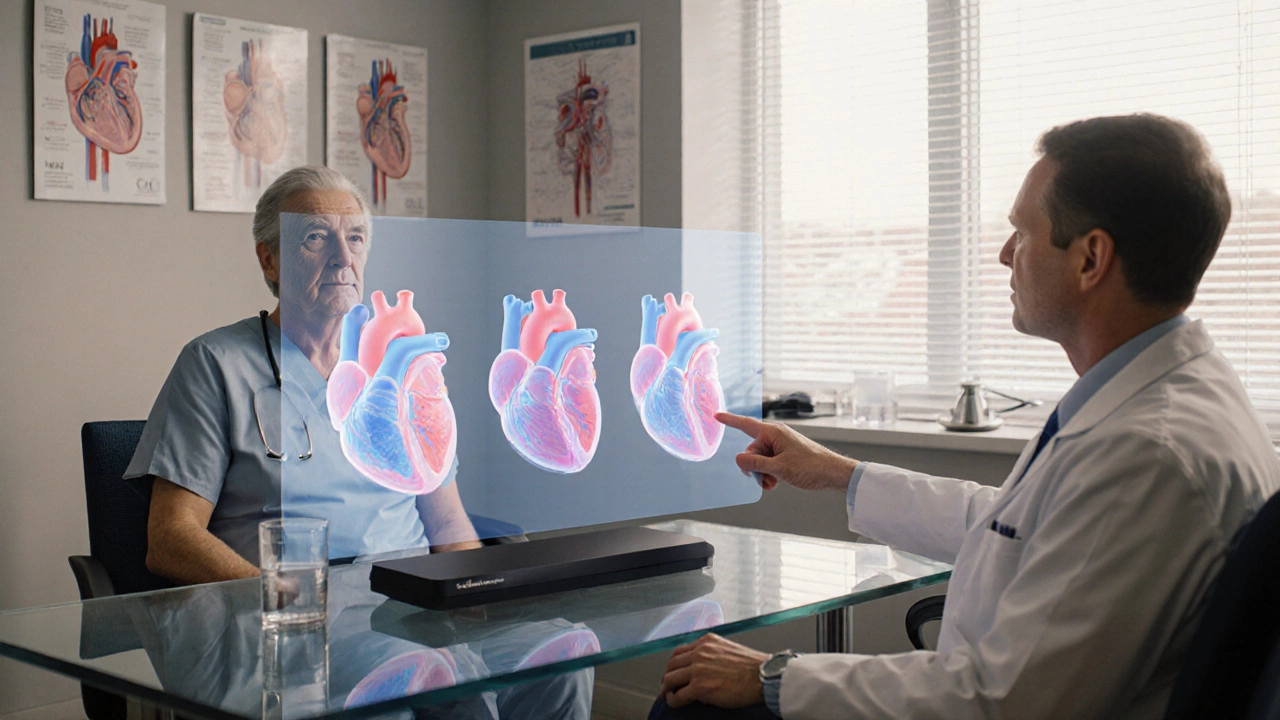
Heart Surgery Life Expectancy: What to Expect After the Procedure
Learn how different heart surgeries affect life expectancy, the key factors that influence survival, and practical steps to boost post‑operative years.
Read More
Top Vitamins That Grow Hair Fastest: Science‑Backed Guide
Discover the fastest-acting vitamins for hair growth, how they work, ideal doses, food sources, safety tips, and a simple daily plan to boost hair density.
Read More
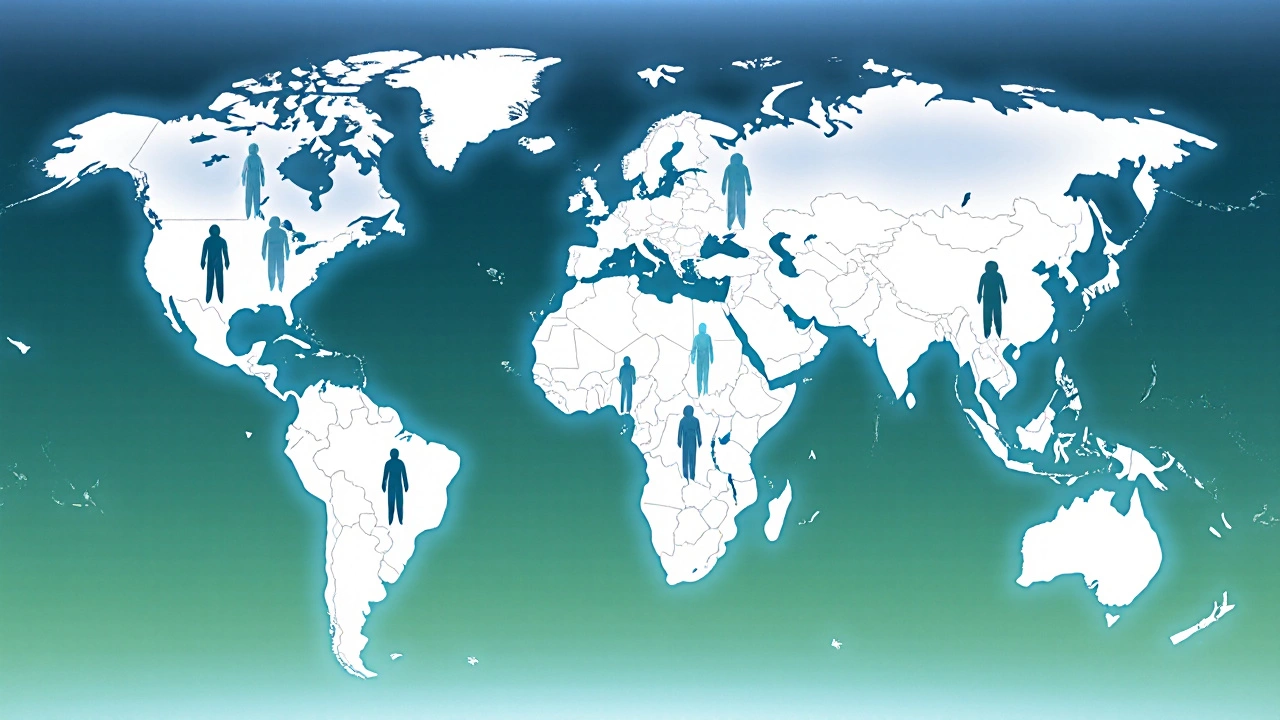
The Most Diagnosed Mental Disorder Worldwide: Anxiety Disorders Explained
Anxiety disorders are the most diagnosed mental illness worldwide, affecting over 260million people. Learn symptoms, prevalence, treatment options, and how to get help.
Read More
Heart Surgery Pain Explained: What to Expect and How to Manage
Discover how painful heart surgery really is, what causes the discomfort, and the best ways to manage pain during recovery.
Read More
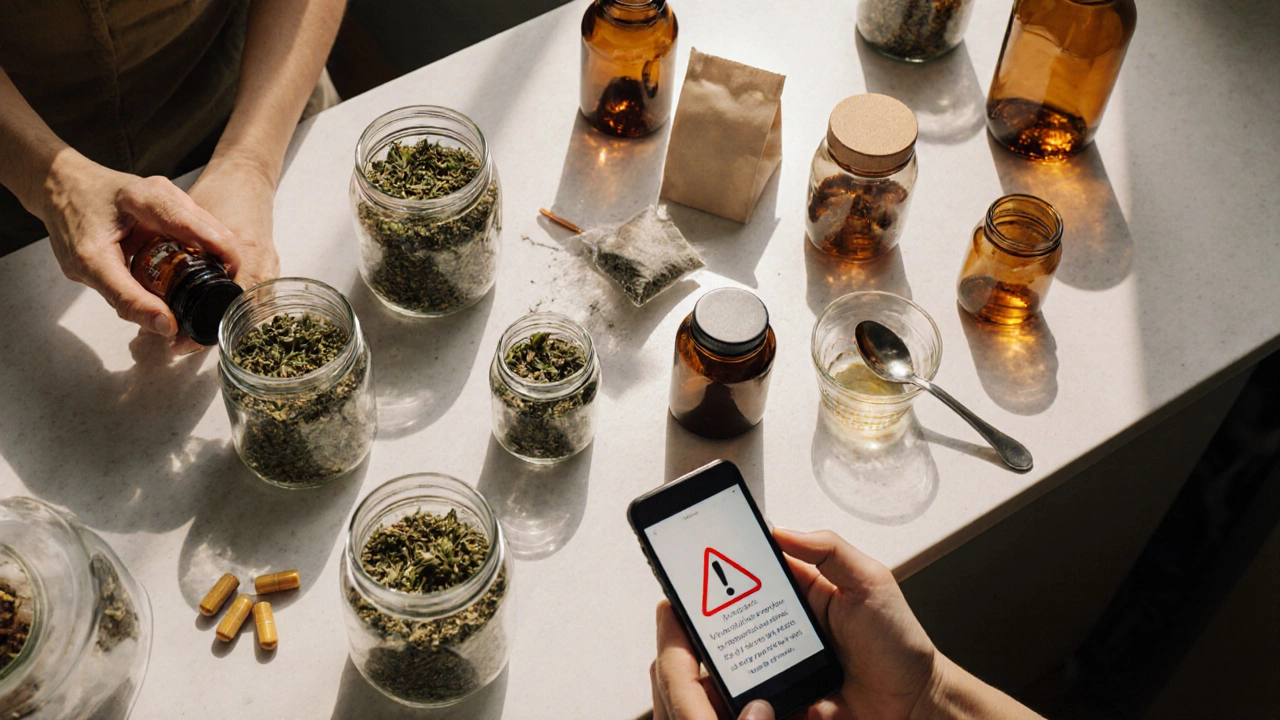
Are Too Many Herbal Supplements Harmful? Risks & Safe Guidelines
Learn why taking too many herbal supplements can be risky, how they interact with meds, and safe guidelines to enjoy their benefits without harming your health.
Read More
Using US Health Insurance Abroad: What You Need to Know
Learn if US health insurance works abroad, how to use it, when to add travel coverage, and step‑by‑step claim tips for a hassle‑free trip.
Read More
Calorie Needs for a 55‑Year‑Old Woman to Lose Weight
Learn the exact calorie intake for a 55-year-old woman to lose weight safely, with BMR, TDEE, deficit, macro splits, meal examples, and FAQs.
Read More
Can You Choose Twins with IVF? Risks, Methods & Realistic Expectations
Explore whether IVF can be used to choose twins, covering methods, success rates, risks, and practical guidance for couples.
Read More
Why Therapists Watch Your Hands: Understanding Non‑Verbal Cues
Therapists watch your hands to read non‑verbal cues, gauge anxiety or trauma, and strengthen the therapeutic alliance. Learn why this matters and how to use it for better sessions.
Read More